FF&E
8 Ways to Streamline Delivery Lead Time for FF&E and OS&E
Every construction project has a finite timeline. Here are eight ways to make sure your delivery lead time doesn't hold up the works.

The construction industry loses an estimated $177 billion annually to rework, miscommunication, and time spent searching for project information. Research also shows that more than 70% of rework originates from design-phase errors rather than field conditions.
Hospitality projects are especially vulnerable to these breakdowns because they involve thousands of highly detailed FF&E, OS&E, and finish specifications spread across designers, operators, procurement teams, owners, and vendors. A single outdated specification sheet, missing finish revision, or disconnected procurement workflow can trigger costly downstream issues: incorrect orders, delayed installations, change orders, and last-minute substitutions.
Unlike structural drawings or BIM coordination, specification workflows in hospitality are still often managed through fragmented spreadsheets, PDFs, emails, and disconnected tools. This creates a “specification gap” — the disconnect between design intent, procurement execution, and project delivery.
As hospitality projects become more complex and timelines tighten, closing this specification gap represents one of the industry’s largest opportunities for operational innovation. Understanding the intricacies of the hospitality FF&E specification is essential for stakeholders aiming to streamline operations and improve project outcomes.
Throughout this article, we will delve into the causes of these gaps, explore the financial impacts of rework, and examine solutions offered by technology and software integration. Key discussions will include the implications of ineffective supply chain management, collaboration between architecture, engineering, and construction (AEC) teams, and real-world case studies that highlight successful innovations in procurement practices. For effective procurement solutions, it is crucial to explore advanced procurement solutions.
The hospitality FF&E specification gap refers to the discrepancies in the documentation and communication regarding the expectations and requirements for furnishings and equipment in hospitality projects. This gap leads to rework, which not only delays timelines but also inflates budgets, impacting overall profitability. Industry statistics reveal that specification inaccuracies contribute to approximately $177 billion in rework costs annually. Closing this gap is crucial for optimizing project management and ensuring that hotels deliver on both quality and budgetary commitments.
Specification inaccuracies typically stem from human error, miscommunication, and lack of standardization. For instance, poor communication between design teams, contractors, and suppliers can lead to misunderstandings about materials, quantities, and delivery timelines. Examples of this can include incorrect measurements of items or the failure to account for unique architectural elements in hotels. To combat these inaccuracies, industry stakeholders can implement clear communication strategies and standardized processes that ensure all parties align on project specifications.
Managing the FF&E supply chain in hospitality often presents various challenges, including logistical issues, sourcing complications, and vendor reliability. These challenges exacerbate the problems of miscommunication and misalignment seen earlier. For example, delays in sourcing materials can cause cascading impacts through project timelines, often resulting in budget overruns and compromised project quality. To address these issues, stakeholders can adopt proactive inventory management practices and establish strong relationships with reliable suppliers, thereby enhancing responsiveness and efficiency within the supply chain.
Rework in hospitality construction projects occurs frequently due to several causes, which can include design changes, lack of complete information, and errors during installation. These factors lead to significant consequences for project timelines and budgets, as they often require additional labor hours and resources to correct mistakes.
The impact of specification gaps can be devastating for hospitality projects. For instance, gaps often result in unexpected project delays, which not only push back opening dates but also incur additional costs associated with extended labor and overheads. In some instances, projects can face cost overruns of 20–30% due to the need for revisions prompted by specification inaccuracies. Such delays can also damage reputations, as established clients expect timely completion and adherence to budgets. Addressing these budget impacts is key to project success.
Financially, the consequences of FF&E rework can manifest in reduced profit margins and increased operational inefficiencies. Companies that frequently experience rework may find themselves facing a cycle of financial strain, adversely affecting their growth potential. Furthermore, the operational aspects suffer as team morale declines due to increased workloads and stress, leading to a potential drop in overall productivity. Consequently, organizations should prioritize accurate specifications as a means of reducing these detrimental effects.
Implementing FF&E specification software serves as a vital solution to mitigating rework in hospitality projects. This technology enhances the accuracy of specifications by offering streamlined procurement processes and data management capabilities that facilitate better communication among stakeholders.
Effective hotel procurement software should encompass several critical features designed to eliminate specification gaps and reduce the risk of rework. These can include:
These features allow stakeholders to maintain clarity within the project scope, subsequently minimizing errors and enhancing workflow efficiency.
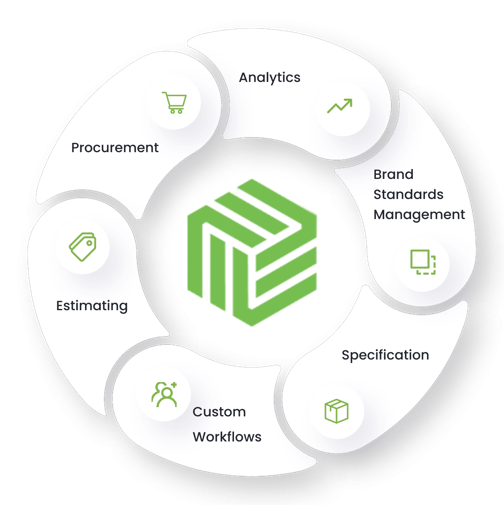
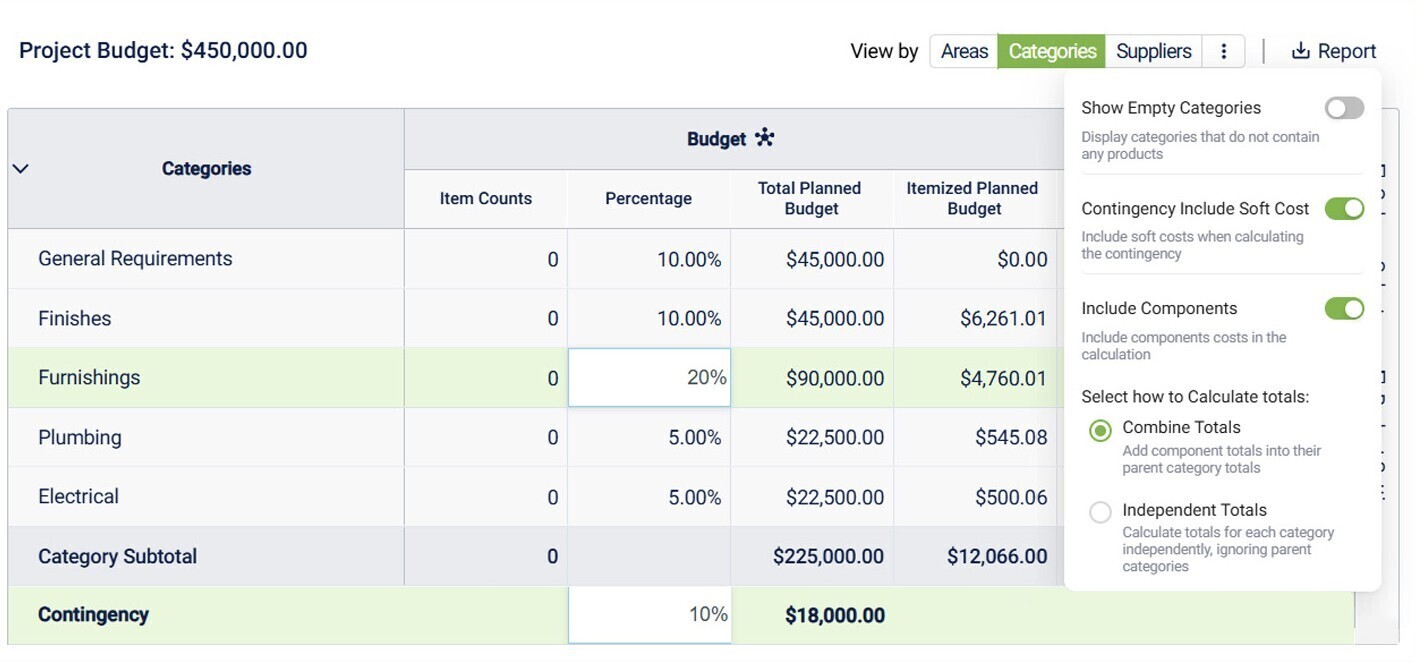
Technology integration can significantly boost specification accuracy and enhance workflow efficiency through various means. By centralizing data and using advanced analytics, teams can better understand each facet of the project and align their efforts accordingly. For instance, integrated platforms that consolidate design, budgeting, and procurement details into one system can lead to heightened clarity among all parties involved. Such harmony within processes promotes timely responses to emerging issues, allowing projects to proceed without delay.
The integration of workflows across architecture, engineering, and construction (AEC) sectors is essential to streamline FF&E procurement processes in hospitality projects. This collaboration optimizes project delivery and minimizes rework, addressing issues arising from disparate processes.
-1.png?width=788&height=526&name=67b874ea77ba232446ac703d_User%20Access%20(1)-1.png)
Collaboration among AEC teams can enhance the efficiency of FF&E procurement significantly. When architects, engineers, and contractors work together closely from the outset, they can identify potential issues early on and align their practices with a unified vision for the project. This synergy not only improves the speed at which projects move forward but also mitigates the risks associated with miscommunication.
Implementing best practices for coordinating FF&E supply chain management can lead to substantial improvements in the overall efficiency of projects. These practices can include:
By adopting these approaches, hospitality organizations can improve their project outcomes and reduce the incidence of costly rework.
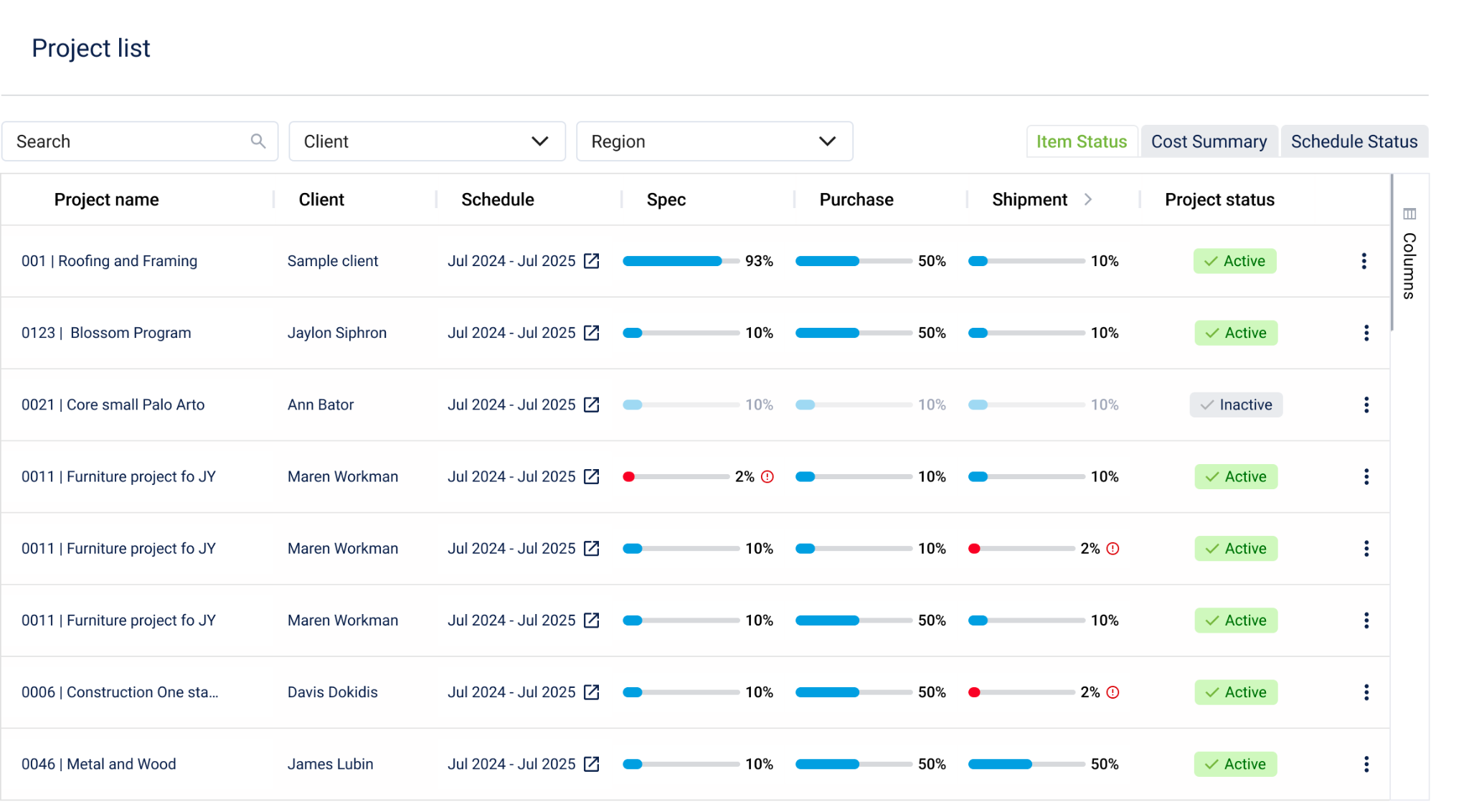
Several case studies illustrate how innovative strategies can drastically reduce rework costs in the hospitality sector. These examples serve as valuable learning opportunities for other stakeholders facing similar challenges.
Hotels that have adopted comprehensive FF&E specification software have reported significant reductions in rework costs. In one instance, a leading hotel chain was able to decrease its rework costs by over 30% within a year of implementation. This success was primarily attributed to improved real-time communication among teams and greater clarity in specifications.
Recent innovations in hospitality procurement highlight the importance of technology-driven solutions and collaboration in minimizing rework. Key lessons include the need for ongoing training on software tools, the benefits of cross-functional teamwork, and the value of establishing a culture that prioritizes accurate specifications from the project's outset. Emphasizing these elements can help mitigate future rework and enhance overall project success. Learning about these procurement innovations can guide future strategies.
Monitoring and measuring progress in reducing FF&E rework is critical for stakeholders to evaluate the effectiveness of their strategies and tools. Key performance indicators (KPIs) can provide insight into both the precision of specifications and the financial implications of rework.
Effective KPIs for tracking specification accuracy and cost savings can include:
These metrics provide actionable data that can drive informed decision-making, ultimately fostering better project outcomes.
Utilizing data and feedback is essential for hospitality stakeholders to refine their procurement processes continually. They can analyze project outcomes, gather feedback from teams, and apply lessons learned to future projects. By fostering a culture grounded in data-driven decision-making, organizations can enhance their operational efficiencies and reduce the likelihood of rework in upcoming initiatives.




Every construction project has a finite timeline. Here are eight ways to make sure your delivery lead time doesn't hold up the works.
With all the couples I’ve worked with, I swear, if this career doesn’t work out, I could just become a couples therapist. It’s not always the case,...
(Welcome to our two-part series on building a low-cost single family home. This post focuses on the design aspect. Sign up for our newsletter to get...