The Future of FF&E: AI and Automation in Procurement
FF&E
Procurement
The integration of artificial intelligence (AI) and automation in the procurement of furniture, fixtures, and equipment (FF&E) is revolutionizing the industry. As organizations strive for efficiency and accuracy, understanding how these technologies enhance procurement processes becomes essential. This article explores the transformative impact of AI and smart solutions on FF&E procurement, addressing key benefits, emerging technologies, and future trends. Many businesses face challenges in managing procurement cycles, vendor selection, and cost control. By leveraging AI-driven solutions, organizations can streamline their procurement processes, reduce errors, and achieve significant cost savings. We will delve into how AI improves procurement efficiency, the benefits of automation, and the future trends shaping this dynamic landscape.
How Does AI Improve FF&E Procurement Efficiency and Accuracy?
AI enhances FF&E procurement by automating repetitive tasks, improving data analysis, and facilitating better decision-making. By utilizing machine learning algorithms, organizations can analyze vast amounts of data to identify trends and optimize procurement strategies. This leads to increased accuracy in vendor selection and cost management, ultimately resulting in a more resilient supply chain. The implementation of AI technologies not only speeds up the procurement process but also minimizes human errors, ensuring that organizations can make informed decisions quickly.
What AI Technologies Are Revolutionizing FF&E Purchasing?
Several AI technologies are at the forefront of transforming FF&E purchasing. These include:
Demand Forecasting: AI algorithms analyze historical data to predict future demand, allowing organizations to adjust their procurement strategies accordingly.
Optimization Tools: Smart procurement tools optimize replenishment parameters, ensuring that inventory levels are maintained efficiently.
Machine Learning Applications: These applications continuously learn from data inputs, improving their accuracy over time and providing actionable insights for procurement teams.
By adopting these technologies, organizations can enhance their purchasing processes and respond more effectively to market changes.
How Does Machine Learning Optimize Vendor Selection and Cost Reduction?
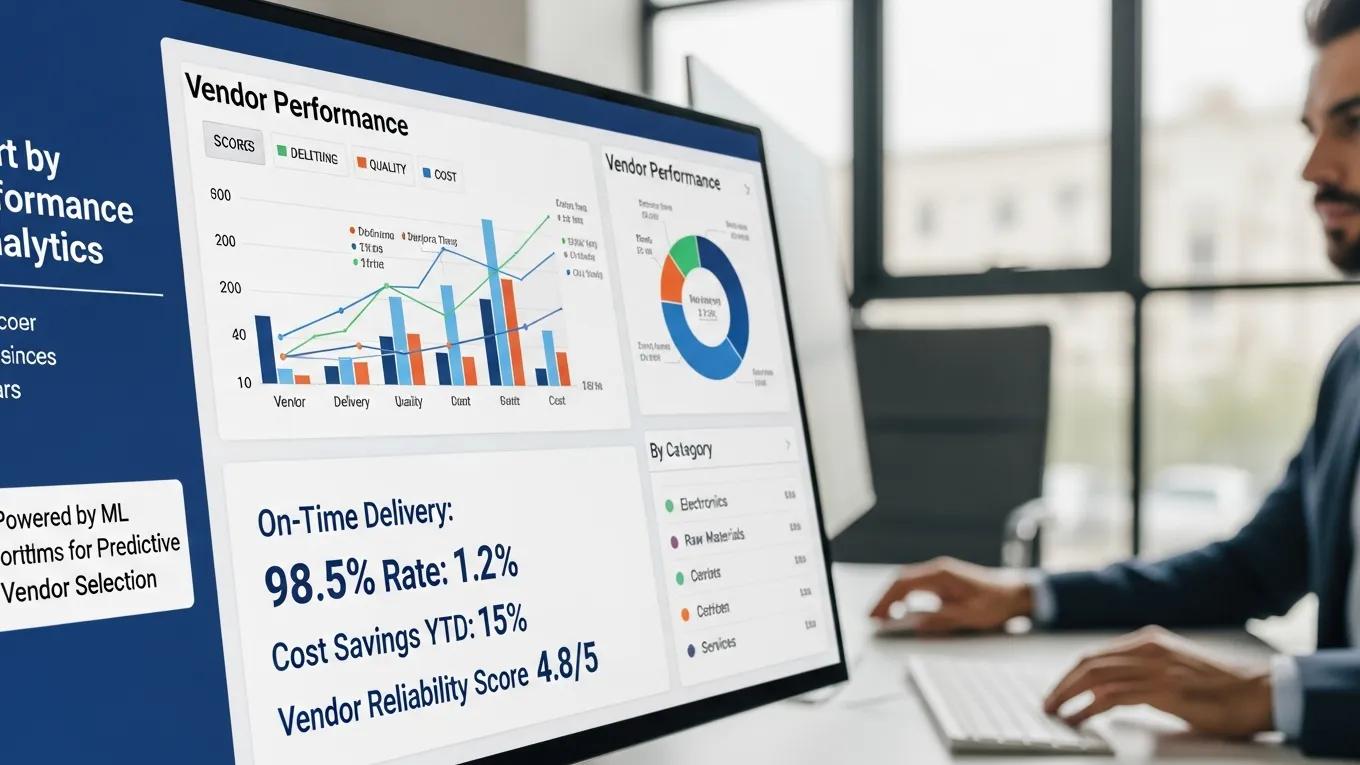
Machine learning plays a crucial role in optimizing vendor selection and reducing costs. By analyzing vendor performance data, organizations can identify the most reliable suppliers and negotiate better terms. This data-driven approach allows procurement teams to make informed decisions based on historical performance metrics, leading to significant cost reductions. Additionally, machine learning algorithms can identify patterns in spending, enabling organizations to streamline their procurement processes and eliminate unnecessary expenses.
This data-driven approach to procurement is supported by research highlighting how AI and analytics can drive significant cost reduction.
AI and Analytics for Strategic Cost Reduction in Procurement
In this study, we identify the conditions under which emerging AI technologies and analytics (AIA), coupled with more evolutive and “intelligent” procurement strategies, can drive cost reduction. We propose to look specifically at the required organizational context conducive to enhancing the impact of AI and analytics, as opposed to implementing simplistic AI seeking only “lowest cost” rules.
Impact of artificial intelligence, analytics, and procurement strategy on cost reduction, S Barrad, 2020
What Are the Key Benefits of Automated FF&E Procurement Solutions?
Automated FF&E procurement solutions offer numerous advantages that can significantly enhance organizational efficiency. These benefits include improved accuracy, reduced cycle times, and enhanced decision-making capabilities. By automating procurement processes, organizations can focus on strategic initiatives rather than getting bogged down in manual tasks.
How Does Automation Reduce Procurement Cycle Times and Manual Errors?
Automation reduces procurement cycle times by streamlining workflows and centralizing data management. With automated systems in place, organizations can track orders in real-time, ensuring that procurement teams have access to up-to-date information. This centralized approach minimizes manual errors, as data is entered and processed automatically, reducing the risk of discrepancies. As a result, organizations can achieve faster turnaround times and improve overall procurement efficiency.
Which Cost Savings and ROI Improvements Can Organizations Expect?
Organizations implementing automated FF&E procurement solutions can expect substantial cost savings and improved return on investment (ROI). Key areas of financial improvement include:
Operational Cost Reductions: Automation reduces the need for manual labor, leading to lower operational costs.
Financial Reconciliation Improvements: Automated systems streamline financial processes, making it easier to reconcile accounts and manage budgets.
Supplier Collaboration Benefits: Enhanced communication with suppliers fosters better relationships, leading to more favorable terms and pricing.
These financial benefits underscore the value of investing in automated procurement solutions.
How Are Smart FF&E Procurement Platforms Enhancing Supply Chain Integration?
Smart FF&E procurement platforms are designed to enhance supply chain integration by providing real-time analytics and improved vendor relationships. These platforms enable organizations to make data-driven decisions that optimize their procurement strategies and enhance overall supply chain efficiency.
What Role Does Real-Time Vendor Analytics Play in Procurement Decisions?
Real-time vendor analytics play a pivotal role in procurement decisions by providing insights into vendor performance and market trends. Organizations can track key performance indicators (KPIs) to assess vendor reliability and identify cost-saving opportunities. This data-driven approach allows procurement teams to make informed decisions that align with organizational goals, ultimately leading to improved procurement outcomes.
How Do Digital Procurement Solutions Support Furniture and Equipment Sourcing?
Digital procurement solutions support furniture and equipment sourcing by leveraging intelligent algorithms and data-driven dashboards. These tools facilitate the automation of procurement processes, enabling organizations to source products more efficiently. By utilizing digital solutions, procurement teams can access a wealth of information that aids in decision-making, ensuring that they select the best options for their needs.
Data-driven dashboards, as highlighted by recent research, are instrumental in providing real-time insights for optimizing procurement processes and identifying cost-saving opportunities.
AI & Data-Driven Dashboards for Enhanced Procurement Efficiency
In the evolving landscape of procurement, data-driven dashboards have emerged as transformative tools that enhance efficiency, transparency, and strategic decision-making. These dashboards leverage big data analytics, artificial intelligence (AI), and business intelligence (BI) to provide real-time insights into procurement activities, including spend analysis, supplier performance, and contract management. This paper explores the functionality and impact of procurement dashboards in modern supply chain management. We analyze how organizations can use visual analytics and predictive modeling to optimize procurement processes, identify cost-saving opportunities, and mitigate risks. Key dashboard features such as spend segmentation, supplier categorization, and contract compliance monitoring are examined in detail, demonstrating their role in streamlining procurement workflows.
Enhancing Procurement Efficiency through Data-Driven Dashboards: Functionality, Insights, and Strategic Impact, 2021
What Future Trends Will Shape FF&E Procurement with AI and Automation?
The future of FF&E procurement is poised for significant transformation as AI and automation continue to evolve. Emerging technologies are set to reshape procurement strategies, making them more efficient and responsive to market demands.
Which Emerging AI Innovations Are Impacting FF&E Supply Chain Technology?
Emerging AI innovations, such as predictive analytics and advanced machine learning models, are significantly impacting FF&E supply chain technology. These innovations enable organizations to anticipate market changes and adjust their procurement strategies accordingly. By harnessing the power of AI, businesses can enhance their supply chain resilience and maintain a competitive edge in the market.
How Will Increasing AI Adoption Influence Procurement Strategies by 2026?
As AI adoption increases, procurement strategies will likely become more data-driven and automated. Organizations will rely on AI technologies to streamline their processes, reduce costs, and improve decision-making. By 2026, we can expect to see a shift towards more integrated procurement systems that leverage AI to enhance efficiency and accuracy, ultimately transforming the landscape of FF&E procurement.
Different automated FF&E procurement solutions deliver distinct benefits through specific mechanisms.
Solution Type
Key Features
Benefits
Automated Procurement Software
Streamlined workflows, real-time tracking
Reduced cycle times, improved accuracy
AI-Driven Vendor Management
Performance analytics, predictive insights
Enhanced vendor selection, cost savings
Smart Procurement Tools
Centralized data management, automated reporting
Increased efficiency, better decision-making
This comparison highlights how various automated solutions can significantly enhance procurement processes, leading to improved organizational performance.