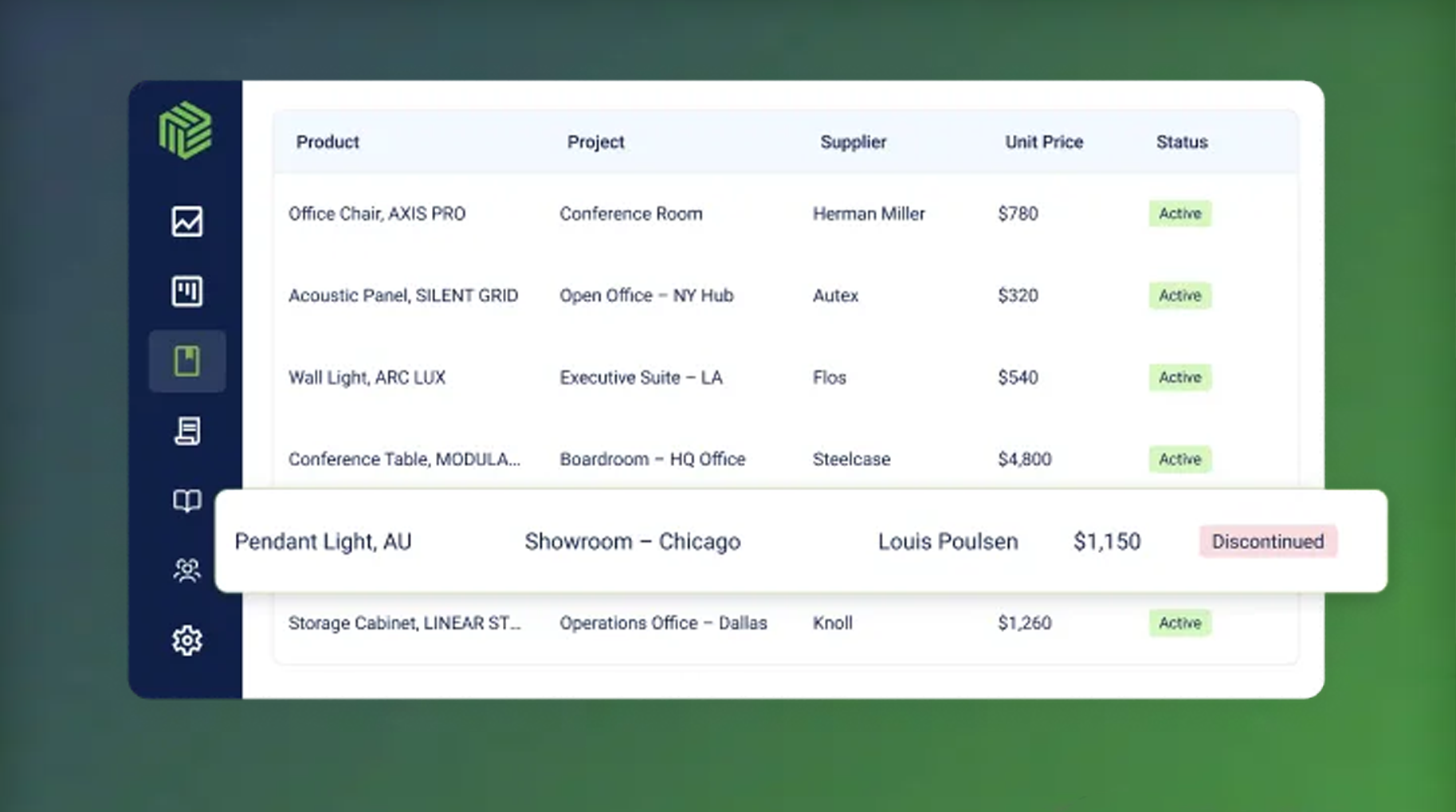
Furniture, Fixtures, and Equipment (FF&E) shape both how a space functions and how it looks. This guide breaks down the core FF&E categories, explains how industry standards classify them, and shows why those distinctions matter for design and procurement. You’ll learn how specification software can streamline purchasing, improve vendor coordination, and support better business outcomes. We cover core categories, classification rules, cross‑sector examples, and the practical benefits of using FF&E specification tools.
What Are the Core Furniture, Fixtures, and Equipment Categories?
FF&E covers the elements that make a space usable and appealing. “Furniture” refers to movable items like chairs, tables, and desks; “fixtures” are installed elements such as lighting and cabinetry; and “equipment” includes the machines and tools needed to operate a space. Clear definitions help procurement and project teams manage function, durability, and aesthetic intent throughout a project.
Read What Does FF&E Stand For? Understanding the Acronym in Interior Design
How Are FF&E Categories Defined and Classified in Industry Standards?
Industry standards classify FF&E based on function and role within a space to create consistency in procurement. A key distinction is between FF&E and Operating Supplies and Equipment (OS&E): FF&E typically represents longer‑term assets, while OS&E covers consumables and non‑permanent items. These classifications guide budgeting, asset tracking, and lifecycle planning.
Which Examples Illustrate Key FF&E Categories Across Sectors?
FF&E categories looks different by sector because each industry has unique operational needs. Hospitality relies on beds, seating, lighting, and kitchen appliances. Healthcare specifies medical equipment, patient furniture, and specialized fixtures that support care delivery. Retail depends on display fixtures, checkout counters, and inventory tools. Reviewing sector examples helps teams specify solutions that meet functional and regulatory requirements.
How Does FF&E Specification Software Optimize Procurement Processes?
FF&E specification software simplifies procurement by centralizing product data, tracking orders in real time, and offering customizable workflows that match how your team works. Automation reduces manual tasks and errors, freeing teams to focus on strategy and delivery. The result is faster procurement cycles, clearer vendor coordination, and better cost control.
Data‑driven dashboards are particularly powerful: they turn procurement data into actionable insights, enabling strategic decisions based on spend, supplier performance, and risk indicators.
Read What is Design Specification? The Blueprint for FF&E Procurement Success
Data‑Driven Dashboards for Procurement Efficiency & Strategic Vendor Management
Data‑driven dashboards are changing procurement by improving visibility, accountability, and strategic decision‑making. Combining analytics, AI, and business intelligence, they deliver real‑time views of spend, supplier performance, and contract status. This paper examines how visual analytics and predictive models help organizations optimize procurement workflows, uncover savings opportunities, and reduce supply‑chain risk.
Enhancing Procurement Efficiency through Data‑Driven Dashboards: Functionality, Insights, and Strategic Impact, 2021
Fohlio Inc. develops software for FF&E specification, procurement, and project management. Their platform brings together the tools teams need to manage specifications, vendors, and deliveries—helping professionals deliver projects on time and on budget.
What Features Enable Streamlined FF&E Specification and Vendor Management?
Key features of FF&E specification software include:
- Centralized Data Management: A single source of truth for all project and product information, reducing errors and miscommunication.
- Real‑Time Tracking: Visibility into order and delivery status so teams can keep projects on schedule.
- Custom Workflows: Configurable processes that match your team’s way of working, improving consistency and speed.
Together, these capabilities create a more organized procurement process and better project outcomes.
How Does Real-Time Collaboration Enhance FF&E Procurement Efficiency?
Real‑time collaboration brings stakeholders into one platform where they can share updates, resolve issues, and make decisions quickly. That transparency reduces delays, prevents miscommunication, and helps projects stay on time and on budget.
What Are the Best Practices for FF&E Project Management Integration?
Integrating FF&E into project delivery works best when teams follow established practices such as:
- Standardization of Processes: Define procurement and specification protocols to ensure consistency and quality.
- Collaboration Among Teams: Foster ongoing communication between design, procurement, and project management to align priorities.
- Use of Technology: Adopt tools that improve data management, tracking, and accountability across phases.
Applying these practices reduces friction and improves execution.
How Does FF&E Project Management Software Mitigate Financial Risk?
Project software helps control costs by centralizing budget data, tracking expenditures in real time, and automating procurement workflows that capture accurate pricing and change histories. That visibility lowers the risk of overruns and supports clearer financial forecasting.
Read Smarter Component Pricing, Margins and Tax Management
Which Tools Support Cost Control and Budget Tracking in FF&E Projects?
Essential tools for cost control include:
- Budgeting Software: Create and manage budgets with visibility into spend trends and savings opportunities.
- Procurement Management Tools: Streamline purchasing, approvals, and supplier communications so all expenses are tracked.
- Reporting Tools: Generate reports that analyze financials and inform future procurement decisions.
Using these tools strengthens financial oversight and decision‑making.
How Can FF&E Cost Management Drive Tangible Business Growth?
Smart FF&E cost management reduces waste, improves operational efficiency, and frees capital for reinvestment. Better procurement practices and well‑executed FF&E projects raise the quality of spaces, which can attract clients, improve user experience, and support long‑term growth.
What Metrics Demonstrate FF&E Cost Savings and ROI Improvements?
Trackable metrics that show impact include:
- Procurement Time Reduction: Shorter procurement cycles indicate improved efficiency.
- Budget Tracking: Comparing actuals to budgets highlights savings and cost variance.
- Compliance Rates: Higher adherence to standards reduces financial and operational risk.
These measures help quantify the value of FF&E initiatives.
Read: Maximize Value With Effective FF&E Procurement Strategies
How Does Centralized Data Support Strategic FF&E Budgeting?
Centralized data provides a complete view of procurement activity—asset inventories, spend patterns, and supplier performance—so teams can make informed budgeting and sourcing decisions. Data-driven insights reveal opportunities for consolidation, negotiation, and efficiency improvements.
| Feature |
What it does |
Value |
| Centralized Data Management |
A single source for all procurement information |
Fewer errors and clearer communication |
| Real-Time Tracking |
Track orders and deliveries in real time |
Keeps projects on schedule |
| Custom Workflows |
Configure workflows to match your process |
Improves operational efficiency |
This table shows how core features of FF&E specification software translate into better procurement outcomes.
Understanding FF&E categories and the benefits of specification software helps professionals optimize procurement, reduce financial risk, and support business growth. By adopting best practices and the right technology, teams can deliver projects more predictably and with greater value.
To see how Fohlio can help streamline your FF&E process, Book a demo today.