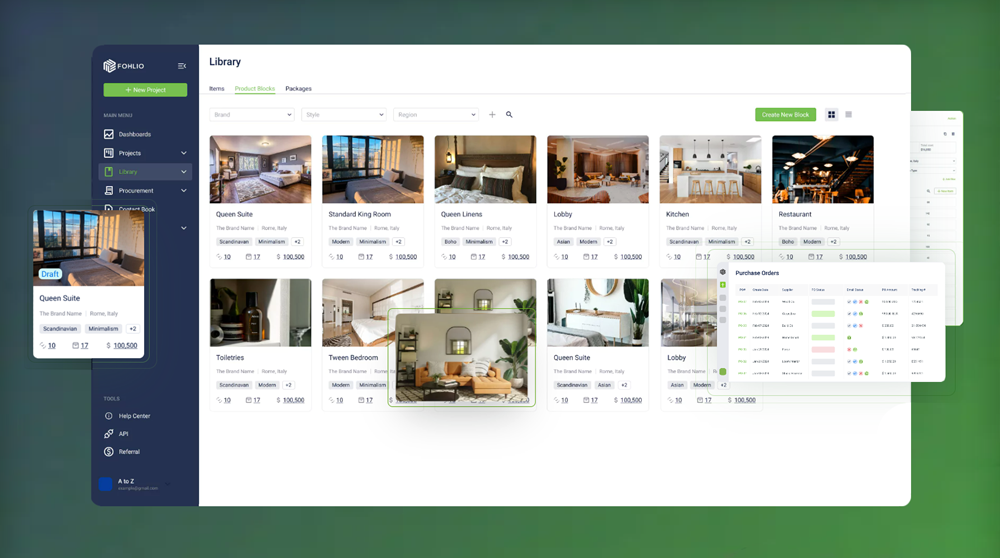
FF&E, an acronym for Furniture, Fixtures, and Equipment, plays a crucial role in the realm of interior design. Understanding this term is essential for design professionals, as it encompasses the various elements that contribute to the functionality and aesthetics of a space. This article will delve into the definition and scope of FF&E, its components, and how it differs from other asset classifications. Additionally, we will explore the FF&E specification process, best practices for using software tools, and how Fohlio Inc. enhances project management in this area. By the end, readers will gain a comprehensive understanding of FF&E and its significance in interior design projects.
Beyond mere functionality, the thoughtful selection of FF&E is crucial for crafting spaces that evoke positive emotions and provide a rich sensory experience, as highlighted by research in the field.
Interior Design & FF&E for Sensory Experience
As people's demands for living quality increase constantly, in our era, interior design has to meet more requirements than basic daily functions. To meet the needs for a pleasant sensory experience and psychological experience, such as aesthetic values, sense of belongingness and identity, has also become an important job in interior design. Conveying positive emotions through a sensorial experience can elevate the value of the interior space.
A study of sensory experience in interior design through the analysis of CMF and FF&E approaches, 2018
What Is the Definition and Scope of FF&E in Interior Design?
FF&E refers to the tangible assets that furnish and equip a space, making it functional and aesthetically pleasing. This includes items such as furniture, fixtures, and equipment that are essential for the operation of a facility. Understanding the scope of FF&E is vital for interior designers, as it directly impacts the design and functionality of a space.
Which Items Are Included in FF&E?
The FF&E category encompasses a variety of items, including:
- Furniture: This includes chairs, tables, desks, and sofas that provide seating and workspace.
- Fixtures: Items such as lighting fixtures, cabinetry, and plumbing fixtures that are attached to the building.
- Equipment: This refers to items like kitchen appliances, office equipment, and technology that support the functionality of the space.
These components work together to create a cohesive and functional environment, making it essential for designers to carefully select and specify each item.
How Does FF&E Differ from OS&E and Other Asset Classifications?
FF&E is distinct from OS&E (Operating Supplies and Equipment), which includes consumables and items that are not permanently affixed to the building. Understanding the differences between these classifications is crucial for effective project management. While FF&E focuses on the physical elements that enhance a space, OS&E encompasses items that support daily operations but may not contribute to the overall design aesthetic.
How Does the FF&E Specification Process Enhance Interior Design Projects?
The FF&E specification process is a critical step in interior design that involves selecting, detailing, and managing the procurement of furniture, fixtures, and equipment. This process enhances design projects by ensuring that all elements align with the overall vision and functionality of the space. Proper FF&E management can lead to improved project outcomes, including cost savings and timely delivery.
Indeed, the broader concept of procurement management is fundamental to this process, encompassing all aspects of acquiring necessary goods and services for a project.
Project Procurement Management for FF&E
This chapter focuses on project procurement management. The term “procurement” generally means acquiring goods and/or services from an outside source; however, other terms such as “purchasing” or “outsourcing” are often used interchangeably to mean procurement.
Project Procurement Management, 2022
For design and construction professionals seeking to streamline their projects, Fohlio Inc. specializes in providing comprehensive FF&E specification, procurement, and project management solutions tailored for design and construction professionals. Their software streamlines the specification process, allowing designers to focus on creativity while ensuring that all necessary components are accounted for.
What Are Best Practices for FF&E Specification Using Software Tools?
Utilizing software tools for FF&E specification can significantly enhance the efficiency and accuracy of the process. Best practices include:
- Centralized Data Management: Keeping all specifications in one place allows for easy access and updates.
- Real-Time Tracking: Monitoring the status of orders and deliveries helps manage timelines effectively.
- Collaboration Features: Enabling team members to collaborate on specifications ensures that all perspectives are considered.
By implementing these best practices, design professionals can streamline their workflow and improve project outcomes.
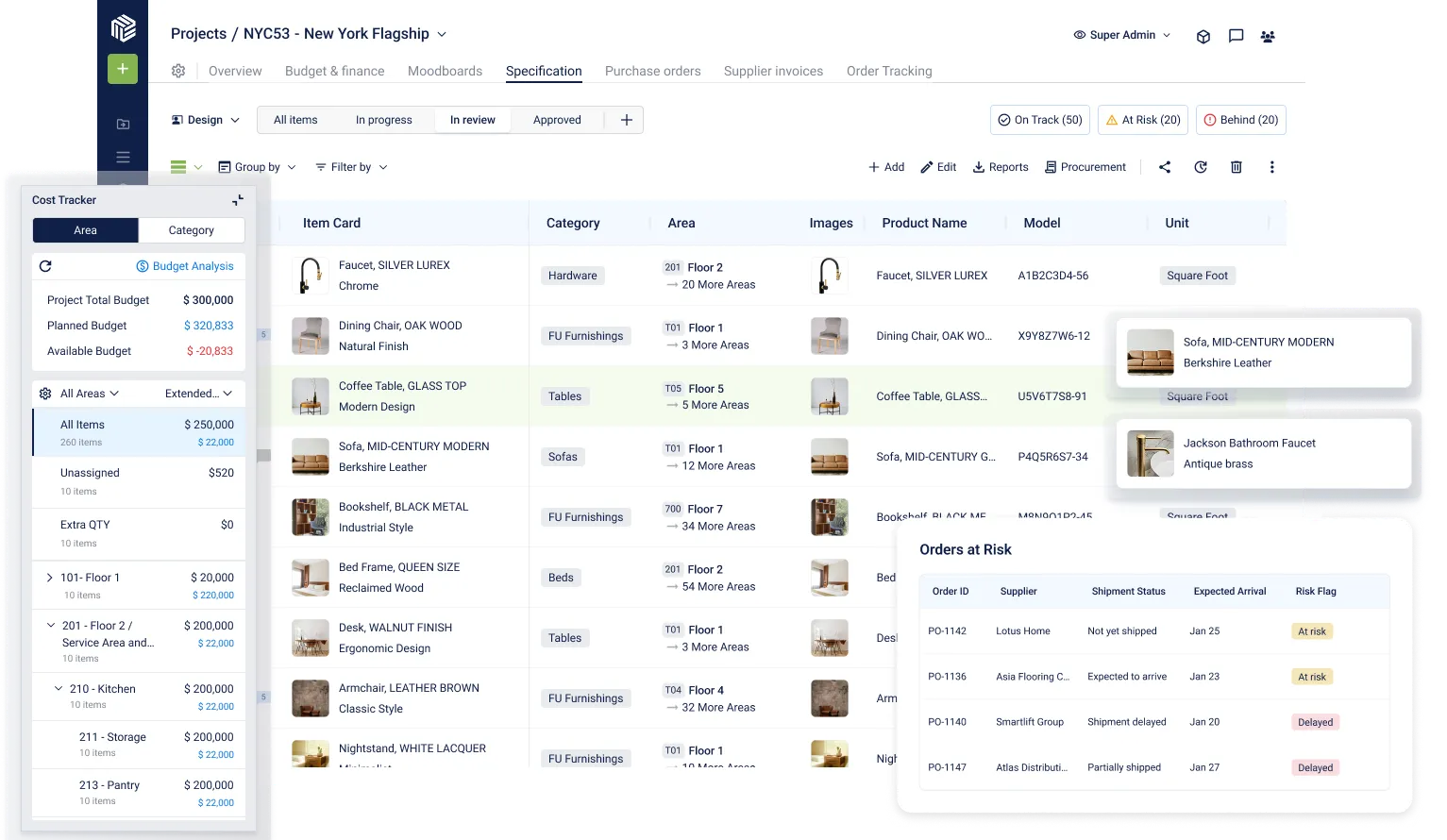
How Does Fohlio’s Specification Software Streamline Data Centralization and Collaboration?
Fohlio’s specification software is designed to enhance the FF&E management process by centralizing data and facilitating collaboration among team members. The software allows users to create detailed specifications, track orders, and manage budgets all in one platform. This integration not only saves time but also reduces the risk of errors, ensuring that projects run smoothly from start to finish.
What Are the Key Steps in the FF&E Procurement Process for Design Professionals?
The FF&E procurement process involves several key steps that design professionals must follow to ensure successful project execution:
- Planning and Sourcing: Identifying the necessary items and sourcing suppliers.
- Ordering and Logistics: Placing orders and managing the logistics of delivery.
- Quality Control: Ensuring that all items meet the specified standards before installation.
By following these steps, designers can effectively manage the procurement process and ensure that all elements are delivered on time and within budget.
How Does Software Integration Optimize FF&E Sourcing and Purchasing?
Integrating software solutions into the FF&E sourcing and purchasing process can optimize efficiency and accuracy. Key benefits include:
- Specification Development: Streamlining the creation of detailed specifications for each item.
- Supplier Sourcing: Facilitating the identification and selection of reliable suppliers.
- Order Tracking: Providing real-time updates on the status of orders and deliveries.
These features help design professionals manage their projects more effectively, leading to better outcomes.
What Stakeholders Are Involved in FF&E Procurement and How Are Timelines Managed?
Several stakeholders are involved in the FF&E procurement process, including designers, project managers, and suppliers. Effective communication and collaboration among these parties are essential for managing timelines and ensuring that all elements are delivered as planned. Strategies for timeline management include setting clear deadlines, regular check-ins, and utilizing project management tools to track progress.
How Can FF&E Project Management Tools Drive Cost Reduction and Workflow Efficiency?
FF&E project management tools can significantly drive cost reduction and improve workflow efficiency by:
- Centralized Data Management: Reducing the time spent searching for information.
- Real-Time Tracking: Allowing for immediate adjustments to timelines and budgets.
- Budget Tracking: Helping to monitor expenses and prevent overspending.
By leveraging these tools, design professionals can enhance their project management capabilities and achieve better financial outcomes.
What Strategies Enable Budget Tracking and Cost Control in FF&E Projects?
Effective budget tracking and cost control strategies are essential for successful FF&E projects. Key strategies include:
- Establishing a Procurement Plan: Outlining all necessary items and their associated costs.
- Using Budget Analysis Tools: Implementing software that provides insights into spending patterns.
- Collaboration and Communication: Ensuring all team members are aware of budget constraints and updates.
These strategies help maintain financial control throughout the project lifecycle.
How Do Project Management Solutions Improve Delivery and Installation Outcomes?
Project management solutions play a vital role in improving delivery and installation outcomes by providing tools for:
- Centralized Data Management: Ensuring all project information is easily accessible.
- Real-Time Tracking: Allowing for immediate adjustments to schedules and logistics.
- Automated Procurement Processes: Streamlining the ordering and delivery of FF&E items.
By utilizing these solutions, design professionals can enhance the overall efficiency of their projects and ensure successful installations.
To see how these solutions can benefit your projects, consider scheduling a demo to explore the features and benefits firsthand.