How to Achieve Cost-Effective and Certified Eco-Friendly Furniture Sourcing
Sustainable furniture procurement is a strategic asset for organisations seeking to reduce environmental impact while maintaining fiscal discipline. This article outlines a structured, data-oriented approach to sourcing certified eco-friendly FF&E that balances cost efficiency with compliance, covering procurement frameworks, relevant certifications, supplier evaluation, and circular-economy integration.
Key Takeaways
- Sustainable FF&E procurement aligns purchasing with environmental values and enhances business credibility among stakeholders.
- Certified sustainable furniture, such as LEED and FSC, ensures compliance with recognized environmental standards.
- Evaluating materials and supplier transparency supports circular economy principles and resource efficiency.
- Green procurement policies require sustainability principles, transparency, and vendor criteria to ensure accountability.
- Corporate sustainability guidelines mitigate financial and environmental risks through supply chain transparency and local sourcing.
- Lifecycle assessment metrics like carbon footprint and energy use optimize environmental impact and cost efficiency.
- Long-term benefits of sustainable procurement include cost savings, enhanced brand reputation, and regulatory compliance.
- Thorough supplier evaluation involves assessing certifications, environmental impact, labor practices, and transparency documentation.
- Sustainable FF&E procurement drives business growth by meeting market demand and creating long-term value.
Best Practices for Sustainable FF&E Procurement
Adopting sustainable FF&E procurement practices is essential for organisations that prioritise environmental performance and measurable outcomes. Effective strategies focus on verified certifications, lifecycle material assessment, and supplier transparency to ensure procurement decisions deliver both environmental and financial benefits.
- Identify Certified Sustainable Furniture: Look for products that have been certified by recognized environmental standards.
- Evaluate Materials for Sustainability: Assess the lifecycle impacts of materials used in furniture construction to ensure they are environmentally friendly.
- Engage Vendors with Transparency: Collaborate with suppliers who provide detailed information about their sourcing and production processes.
These practices reinforce environmental stewardship while enhancing organisational credibility with customers, investors, and regulators.
Key Certifications to Consider
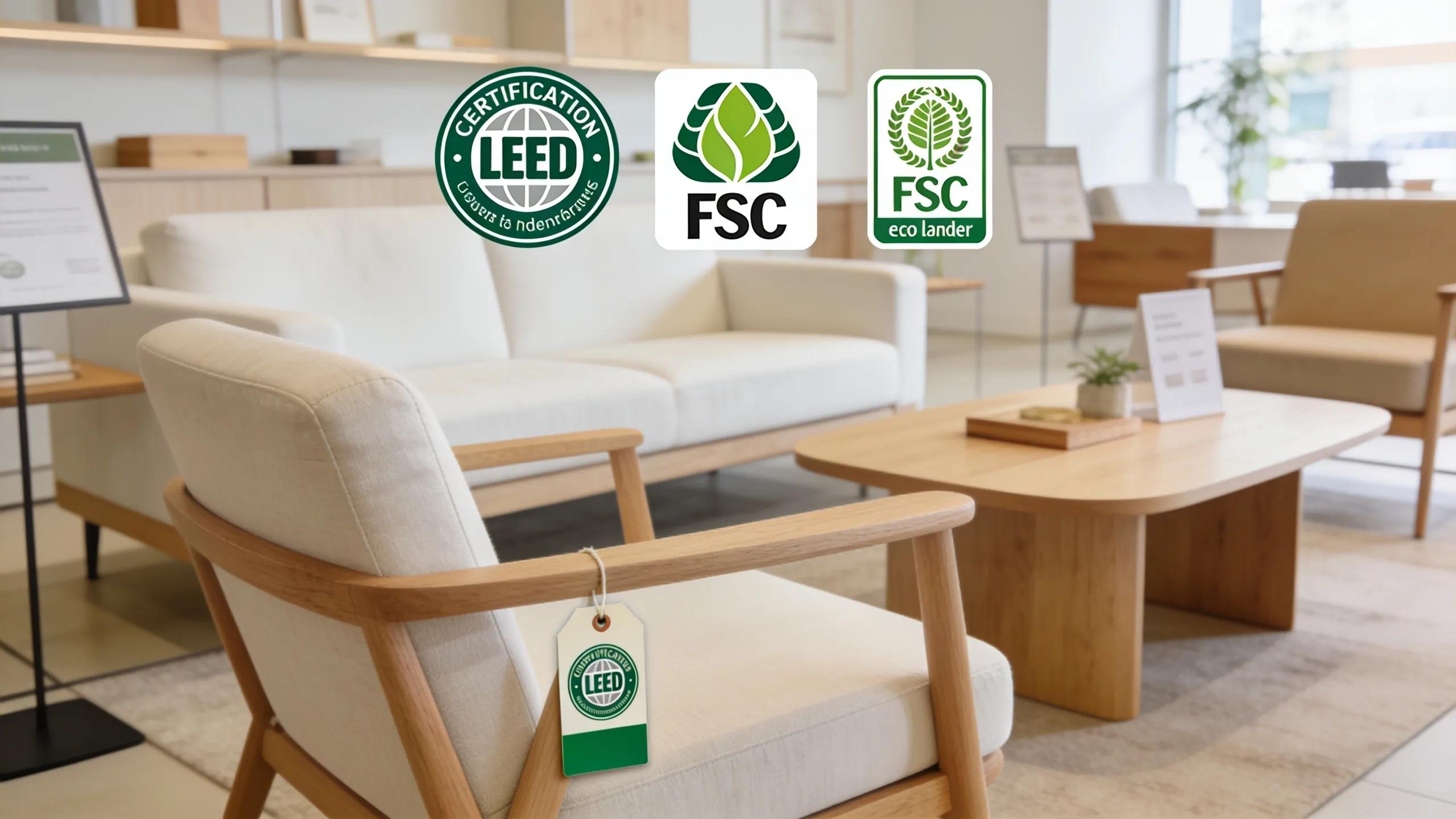
Use recognised certifications to validate environmental performance. Prioritise LEED for building and product performance, FSC for responsibly sourced wood, and relevant eco‑labels that denote specific sustainability attributes.
- LEED Certification: A widely used standard indicating strong environmental performance for buildings and related products.
- FSC Certification: Confirms wood products come from responsibly managed forests.
- Eco-labels: Identify specific sustainability attributes and verified environmental claims.
Understanding the scope and verification processes behind these certifications enables procurement teams to make defensible, compliance‑focused purchasing decisions.
Long-Term Benefits for Organizations
Implementing sustainable procurement strategies yields long‑term organisational benefits across financial, reputational, and regulatory dimensions. These benefits are measurable and contribute to enterprise resilience.
- Cost Savings: Sustainable practices can lead to reduced utility costs and improved resource efficiency.
- Enhanced Brand Reputation: Consumers increasingly prefer to engage with businesses that demonstrate a commitment to sustainability.
- Compliance and Risk Management: Following sustainable procurement policies helps mitigate risks associated with regulatory compliance and environmental liabilities.
Prioritising sustainable FF&E procurement positions organisations to capture market opportunities, reduce operational costs over time, and strengthen long‑term value creation.
What Are the Key Elements of Green Procurement Policies for Sustainable FF&E?
Robust green procurement policies require clear principles, traceable supply chains, and objective vendor selection criteria. Each element should be codified to enable consistent decision‑making and auditable outcomes.
- Sustainability Principles: Base procurement decisions on the sustainability of products and their environmental impacts.
- Transparency and Traceability: Ensure the chain of custody for materials is clear and verifiable.
- Vendor Selection Criteria: Develop criteria that prioritize vendors who demonstrate sustainable practices.
Embedding these elements into procurement governance creates a framework that improves performance, accountability, and alignment with corporate sustainability objectives.
How Do Corporate Sustainability Purchasing Guidelines Mitigate Financial and Environmental Risks?
Corporate sustainability purchasing guidelines provide structured controls that reduce exposure to environmental liabilities and supplier non‑performance. They require documented evidence of sourcing practices and set standards that limit financial and reputational downside.
- Transparency in Supply Chains: By requiring suppliers to disclose their sourcing and manufacturing practices, companies can avoid potential ethical and environmental pitfalls, and ensure supply chain transparency.
- Sustainable Vendor Criteria: This ensures that only those who comply with environmental standards are considered, eliminating risks associated with non-compliance.
- Local Sourcing Advantages: Prioritizing local suppliers not only supports the economy but also reduces transportation emissions.
Implementing these guidelines allows organisations to safeguard assets and mitigate financial risk linked to environmental non‑compliance and volatile supplier performance. Pursuing sustainable vendor criteria further strengthens supply chain resilience and predictable procurement outcomes, supporting measurable procurement objectives.
Which Certifications Define Sustainable Furniture Suppliers and Products?
Key certifications—LEED, FSC and recognised eco‑labels—provide third‑party verification to support procurement due diligence.
- LEED as an Environmental Standard: A clear indicator of products meeting recognised environmental performance criteria.
- FSC for Responsible Forestry: Confirms timber is harvested from responsibly managed forests.
- Importance of Eco-labels: Eco-labels verify specific environmental impacts or attributes for products.
Familiarity with these certifications enhances supplier credibility and supports defensible purchasing decisions that align with corporate sustainability commitments.
How to Source and Evaluate Sustainable Furniture Suppliers for Green Businesses?

Sourcing sustainable furniture requires a systematic evaluation protocol that verifies supplier transparency, certification status, and operational practices. A formalised selection process reduces procurement risk and supports consistent supply quality.
- Criteria for Selection: Prioritize suppliers who are transparent about their environmental practices.
- Relevant Certifications: Ensure suppliers have necessary certifications that validate their commitment to sustainability.
- Best Practices for Assessment: Conduct thorough assessments, including reference checks and site visits when possible.
Adopting this methodical approach enables organisations to align purchasing with sustainability targets while maintaining cost and compliance discipline.
What Sustainable Supplier Evaluation Criteria Ensure Green Supply Chain Transparency?
Maintain supply chain transparency by applying objective evaluation criteria focused on environmental impact, labour practices, and documentation. These criteria should be measurable and consistently applied across supplier assessments.
- Environmental Impact Assessment: Evaluate the environmental impacts of suppliers' products and processes.
- Labor Practice Evaluation: Ensure suppliers adhere to fair labor practices alongside environmental standards.
- Transparency Documentation: Require suppliers to provide documentation that outlines their sustainability practices.
Applying these criteria fosters accountability and enables collaborative relationships with suppliers that prioritise verified sustainability outcomes.
How Does Eco-Friendly Furniture Sourcing Support Circular Economy Principles in FF&E?
Eco‑friendly furniture sourcing operationalises circular economy principles by prioritising certified materials, assessing lifecycle impacts, and establishing transparent vendor relationships that enable reuse, refurbishment, and material recovery.
- Identifying Certified Sustainable Furniture: Source products with recognised certifications to ensure compliance with circular principles.
- Evaluating Materials for Sustainability: Assess materials to reduce waste and extend product lifecycles.
- Engaging with Vendors Transparently: Foster partnerships that support reuse, refurbishment, and material recovery.
Embedding these practices advances organisations toward a resource‑efficient operating model and contributes to measurable reductions in waste and resource consumption.
What Are the Benefits and Cost Considerations of Procuring Sustainable FF&E Products?
Procurement of sustainable FF&E entails trade‑offs that must be evaluated in a total‑cost‑of‑ownership framework. While initial capital outlay may be higher, lifecycle savings and reduced operational costs often justify the investment when assessed against quantifiable performance metrics.
- Initial Investment vs. Long-Term Savings: While upfront costs may be higher, operational savings over time often justify the investment.
- Environmental Impacts: Sustainable products typically have lower environmental footprints, contributing positively to corporate social responsibility goals.
- Challenges in Sustainable Procurement: Businesses must navigate potential supply chain challenges, including availability and cost fluctuations.
Understanding these considerations enables organisations to make procurement choices that align financial objectives with environmental targets, producing measurable returns and reduced exposure to regulatory risk.
How Does Sustainable FF&E Procurement Drive Tangible Business Growth and Portfolio Expansion?
Sustainable FF&E procurement can function as a growth lever by meeting rising market demand for responsible solutions and by creating measurable competitive differentiation. When integrated into strategic procurement, sustainability becomes a route to portfolio expansion and new revenue opportunities.
- Cost Savings and Market Demand: Sustainable practices often correlate with cost efficiency, driving profits while satisfying consumer preferences for environmentally friendly products.
- Regulatory Compliance Incentives: Companies that invest in sustainable practices may benefit from incentives or subsidies provided by governmental regulations.
- Long-Term Value Creation: Establishing a reputation for sustainability can be particularly advantageous in attracting and retaining customers.
By positioning sustainability as a strategic asset, organisations can pursue tangible business growth while strengthening long‑term portfolio value and market positioning.
Which Lifecycle Assessment Metrics Help Optimize Environmental Impact and Cost Efficiency?
Lifecycle assessment (LCA) metrics supply the quantitative basis for procurement decisions. Key indicators include carbon footprint measures, lifecycle energy consumption, and waste generation metrics that together inform cost‑benefit analyses and sustainability reporting.
- Carbon Footprint Measurements: Assess the total greenhouse gas emissions associated with the production, transport, and disposal of products.
- Energy Use Assessments: Evaluate the energy consumed throughout the lifecycle of furniture products, highlighting areas for efficiency improvements.
- Waste Generation Tracking: Monitor waste produced at each stage of production and supply chain processes to identify reduction opportunities.
Utilising these metrics enables procurement teams to make evidence‑based decisions that optimise environmental impact and improve cost efficiency across the supply chain.
Frequently Asked Questions
What strategies can businesses implement for sustainable furniture disposal?
Businesses should adopt a disposal hierarchy that prioritises donation, reuse, refurbishment, and material recycling to extend asset life and reduce waste. Partnering with local recycling centres or certified take‑back programmes ensures responsible material handling. These actions reduce disposal costs, support circularity, and mitigate financial risk associated with waste management.
How do market trends influence sustainable furniture procurement?
Market trends indicate rising demand for environmentally responsible products, creating opportunities for organisations to differentiate their offerings and capture market share. Aligning procurement with these trends enhances brand positioning and can unlock supplier incentives that support sustainability objectives.
What benefits does employee engagement bring in sustainable FF&E practices?
Employee engagement fosters a culture of sustainability that supports implementation and continuous improvement. Engaged staff contribute ideas, increase compliance with sustainability programmes, and improve execution, which in turn can enhance morale and operational performance.
How can organizations measure the success of their sustainable procurement efforts?
Success is measurable through KPIs such as reductions in carbon footprint, realised cost savings from efficiency gains, and the percentage of suppliers meeting sustainability criteria. Regular audits, stakeholder feedback, and documented performance reviews provide the evidence base for continuous improvement.
What role does technology play in enhancing sustainable FF&E procurement?
Technology is an enabler for data capture, analysis, and supplier transparency. Procurement platforms that support lifecycle assessment and real‑time supply chain monitoring improve decision quality and streamline verification of sustainability claims, thereby supporting compliant and efficient procurement processes.
How can businesses ensure that their suppliers uphold ethical labor practices?
Businesses should require verifiable documentation of labour practices, integrate labour criteria into vendor evaluation, and conduct regular audits or assessments. Establishing long‑term partnerships with compliant suppliers and embedding labour standards into procurement policies enhances supply chain transparency and social responsibility.