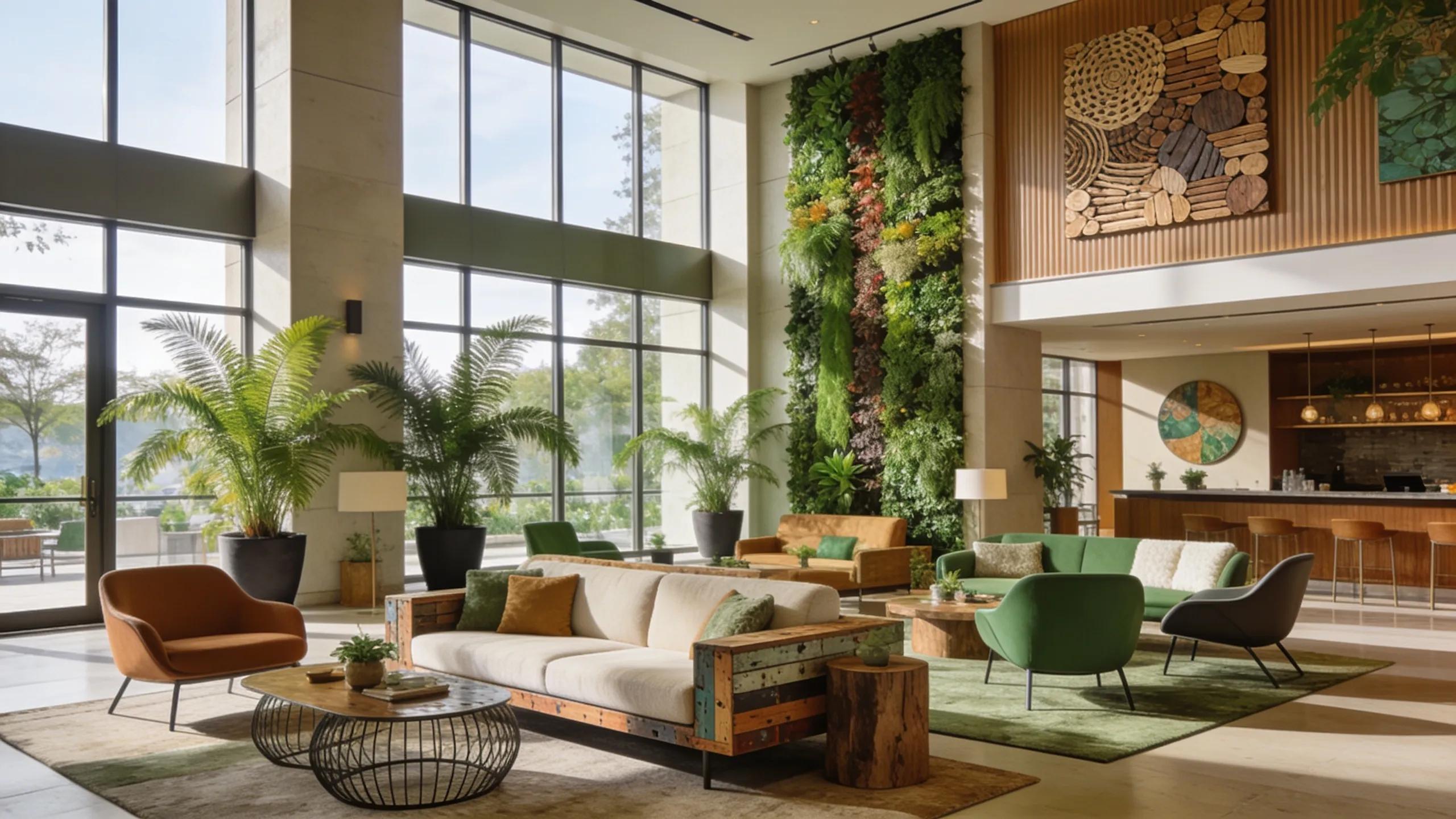
Essential FF&E Design Trends for Modern Hotels: Strategic Insights for Hospitality Design Innovations
The hospitality design landscape is evolving as hotels respond to changing guest expectations and commercial pressures. Contemporary FF&E links aesthetics with operational needs, with sustainability, technology, and customisation driving decisions that protect asset value and improve guest appeal.
Key Takeaways
- Sustainable FF&E uses eco-friendly materials and energy-efficient fixtures to reduce environmental impact and lifecycle cost.
- Customizable furnishings reinforce brand identity and let hotels tailor stays to guest preferences.
- Smart technology in FF&E boosts convenience, enables data-driven maintenance, and lowers operating costs.
- Functionality and aesthetics should be balanced: durable, easy-to-maintain pieces that support brand presentation.
- Experience-centric elements—art, local craft, and themed touches—create emotional connections and repeat visits.
- Modular, flexible furniture supports work-leisure blends and rapid space reconfiguration.
- Biophilic design and eco-certifications enhance wellbeing and can be marketed as measurable guest benefits.
- Innovative textiles and layered lighting elevate ambience while improving durability and reducing replacement cycles.
Sustainability
Sustainability is a commercial differentiator: selecting low-impact materials and energy-efficient fixtures reduces costs, limits regulatory and reputational risk, and strengthens asset performance across a hotel portfolio.
Examples of Sustainable Materials
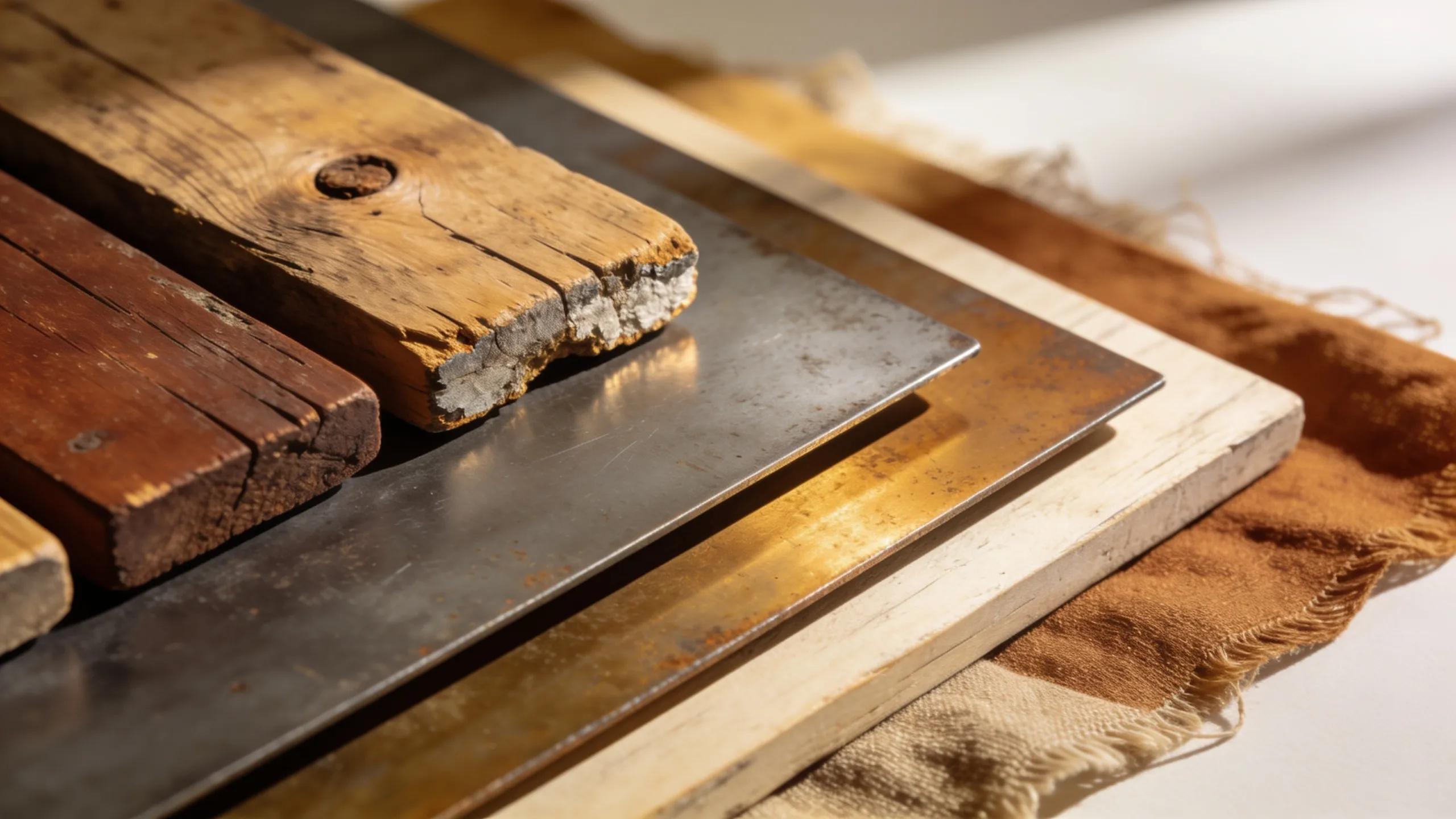
Hotels increasingly specify reclaimed timber, recycled metals, and certified organic fabrics to extend asset life and appeal to eco-conscious guests while delivering tangible lifecycle savings.
Customization
Customization is a strategic lever for differentiation and revenue. Aligning FF&E with brand identity and guest preferences—via tailored packages or configurable options—improves perceived value while keeping total cost of ownership central to procurement choices. Customization options should be weighed for guest impact and lifecycle cost.
Enhancing Guest Experiences Through Unique Designs
Custom furnishings, curated local elements, and partnerships with artisans let hotels deliver personalized stays that boost loyalty and stand out in competitive markets.
Technology Integration
Integrating smart systems and connected devices into FF&E streamlines operations, enables predictive maintenance, and enhances guest convenience when tied into property platforms.
Examples of Technology Integration
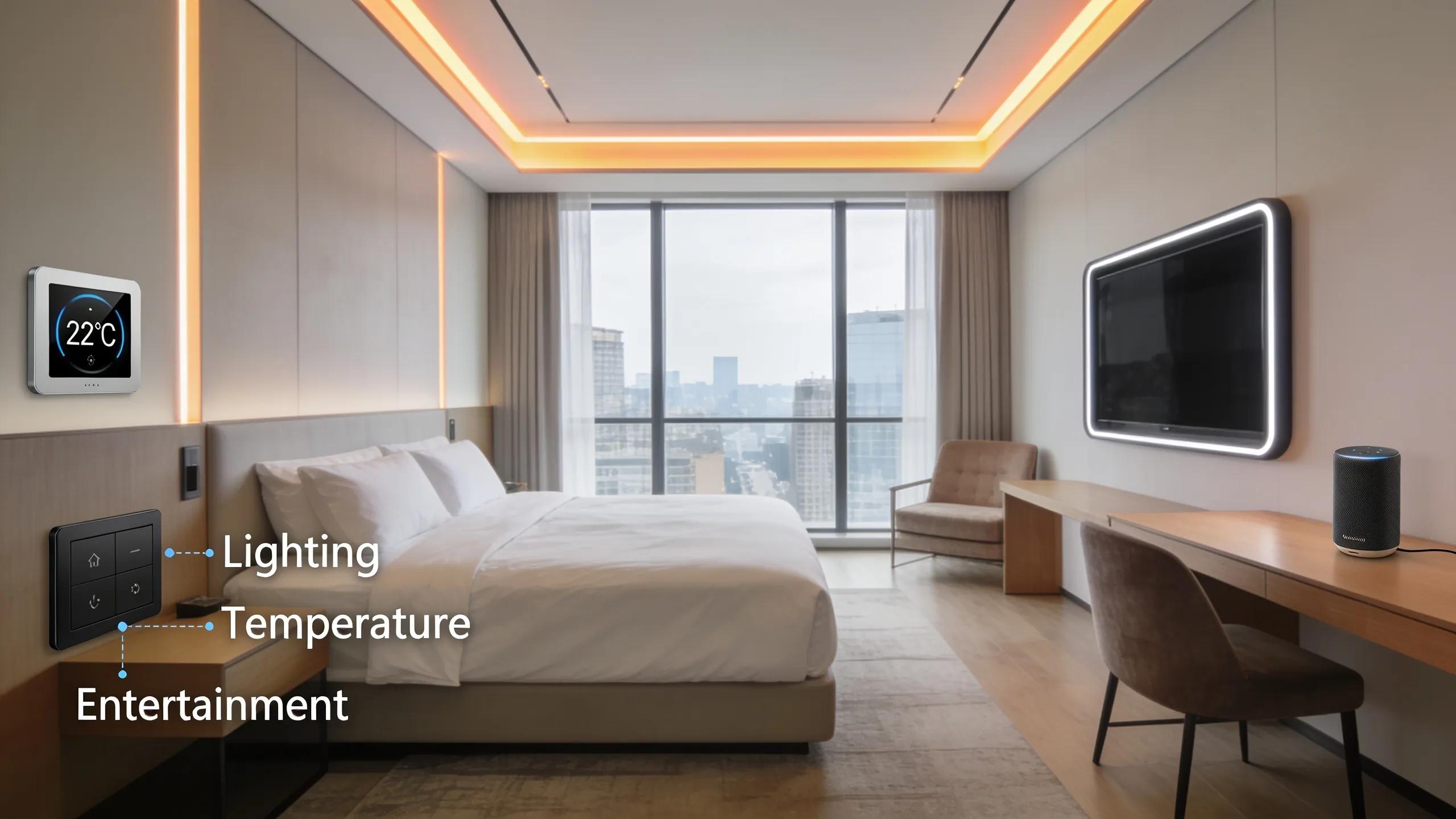
Rooms with smart lighting, programmable thermostats, and integrated entertainment create tailored environments; intelligent lighting and PMS integration can reduce energy use and simplify asset tracking.
Functionality and Aesthetics
Good FF&E reconciles appearance with purpose: selecting durable, maintainable pieces that support brand presentation reduces lifecycle costs and improves guest satisfaction.
Examples of Functional Yet Stylish Furnishings
Modular seating, multiuse installations, and resilient finishes enable quick reconfiguration for events and maximize revenue per square foot without sacrificing design intent.
Experience-Centric Design
Design that targets sensory and contextual resonance—curated art, themed installations, and interactive elements—creates memorable stays that drive repeat business.
Fostering Emotional Connections
Immersive local programming and place-based design translate aesthetic choices into measurable brand value and stronger guest engagement.
Blurring Work and Travel
As remote work grows, adaptable environments capture broader demand and increase length-of-stay and spend by supporting both productivity and leisure.
Design Changes for Versatile Spaces
Flexible work zones, reliable high-speed internet, and configurable room layouts improve utility for business travelers while maintaining leisure comforts.
What are the Leading Hotel Interior Design Trends Shaping FF&E Choices in 2026?
FF&E strategy is moving toward sustainability, adaptability, tech enablement, and functional aesthetics—priorities that reflect guest preferences and portfolio operational demands.
- Sustainable Design: Eco-friendly materials and practices to meet guest and regulatory expectations.
- Customizable Spaces: Personalized options that enhance guest individuality and loyalty.
- Smart Technology: Embedded systems that lift experience and operational efficiency.
- Functional Aesthetics: Durable, multiuse pieces that balance style with purpose.
Which Biophilic and Eco-Certified Elements Enhance Guest Experience?
Plants, natural daylight, and organic materials create restorative environments that support wellbeing and strengthen a hotels wellness proposition when paired with recognized eco-certifications.
How Are Smart and IoT-Enabled FF&E Solutions Transforming Hospitality Design?
IoT-enabled FF&E delivers automation and visibility—predictive maintenance, energy optimization, and personalized settings—helping operators scale consistent service across portfolios.
How Does Technology-Driven FF&E Mitigate Operational Costs and Enhance ROI?
Smart devices and automation reduce waste, shorten response times, and cut utilities, improving ROI and lowering exposure to variable operating expenses.
Why Is Modular and Flexible Furniture Vital for Modern Hotel Space Optimization?
Modular furniture allows rapid reconfiguration, raises functional occupancy, and supports multiple revenue streams from the same footprint.
How Do Flexible Furnishings Support Dynamic Hospitality Environments?
Collapsible tables, movable seating, and modular partitions let operators repurpose areas quickly, reducing downtime and improving utilization.
Which Textile and Decorative Accessory Innovations Elevate Hotel AMBIANCE and Durability?
High-performance textiles and finishes focus on stain resistance and longevity to maintain appearance under heavy use and lower replacement cycles.
What Lighting Design Ideas Amplify Guest Satisfaction and Brand Identity?
Layered lighting, warm LEDs, and guest-adjustable controls create atmosphere while delivering energy savings and consistent brand experiences.
Frequently Asked Questions
1. How can hotels effectively implement sustainability in their FF&E design?
Specify verified eco-friendly materials, choose energy-efficient fixtures, and adopt waste-reduction practices. Train staff on sustainable operations and communicate initiatives to guests to reinforce brand value.
2. What role does customization play in enhancing guest satisfaction in hotels?
Customization enables personalized stays through tailored furnishings and local touches, raising perceived value and encouraging repeat visits.
3. What technological advancements are influencing hotel design?
Smart automation, IoT integration, and contactless services are enhancing connectivity, personalization, and operational efficiency across properties.
4. How can hotels balance aesthetics and functionality in their interiors?
Choose multifunctional, durable furnishings with finishes that are easy to maintain; design around operational workflows and guest experience to sustain value over time.
5. What design elements contribute to a memorable guest experience?
Local art, thematic design, interactive features, and well-designed social spaces create emotional engagement that supports repeat visitation.
6. How do flexible spaces accommodate the needs of diverse guests?
Modular furniture and mobile partitions enable quick reconfiguration for business, events, or leisure, helping hotels meet varied occupant needs and optimize space use.
7. What are the benefits of using biophilic design in hotel environments?
Biophilic elements—plants, daylight, and organic materials—enhance wellbeing, reduce stress, and improve indoor environmental quality, supporting wellness positioning.