How to Find a Commercial Interior Designer for Your Business: Expert Guidance on Commercial Interior Design Services
By Kara Olin, Fohlio Inc.
Finding the right commercial interior designer can significantly impact your business's success, as these professionals play a crucial role in shaping functional and aesthetically pleasing workspaces. This guide will explore essential factors to consider when selecting a commercial interior designer, emphasizing not only the responsibilities of these experts but also the broader implications of corporate design choices. Businesses seek designs that enhance branding and operational efficiency while creating environments that inspire employees and impress clients. This article will cover various aspects, including the role of commercial designers, the procurement process for furniture and fixtures (FF&E), and specific considerations for hospitality design. By understanding these elements, businesses can make informed decisions that align interior design with their strategic goals.
What Are Commercial Interior Design Services and Why Do Businesses Need Them?
Commercial interior design services focus on creating functional and appealing spaces tailored to the unique needs of businesses. These services significantly influence branding, employee productivity, and customer experiences, making them essential in today's competitive market. Businesses can benefit from an expert approach to space planning and design, ensuring that their environment fosters creativity and efficiency.
What Does a Commercial Interior Designer Do?
A commercial interior designer's primary responsibilities include space planning, material selection, and project management. They collaborate with clients to develop design concepts that reflect the company's vision while adhering to practical requirements, such as safety regulations and budget constraints. Their expertise ensures that every aspect of the space, from layout to furnishings, meets the client’s needs and enhances the overall user experience.
How Does Corporate Interior Design Impact Business Success?
The impact of corporate interior design on business success is multifaceted. Well-designed spaces can lead to improved employee productivity by creating environments conducive to focus and collaboration. Additionally, an appealing design can significantly enhance customer experiences, encouraging engagement and repeat visits. Research shows that businesses that invest in thoughtful design often see better employee retention rates and positive client feedback, ultimately driving revenue growth.
How to Navigate the FF&E Procurement Process When Hiring a Commercial Interior Designer
The procurement of furniture, fixtures, and equipment (FF&E) is a critical step in the commercial design process. Understanding how to effectively navigate this process will help ensure that your design vision is accurately realized within budget and timeline constraints.
What Is FFandE Procurement and Its Importance in Commercial Interior Projects?
FF&E procurement involves sourcing and acquiring the various items necessary to furnish a commercial space. This process is essential for defining the project scope and ensuring that all items comply with design specifications and client expectations. Effective FF&E procurement helps avoid delays and ensures that the project remains within budget, ultimately leading to a successful implementation of the design.
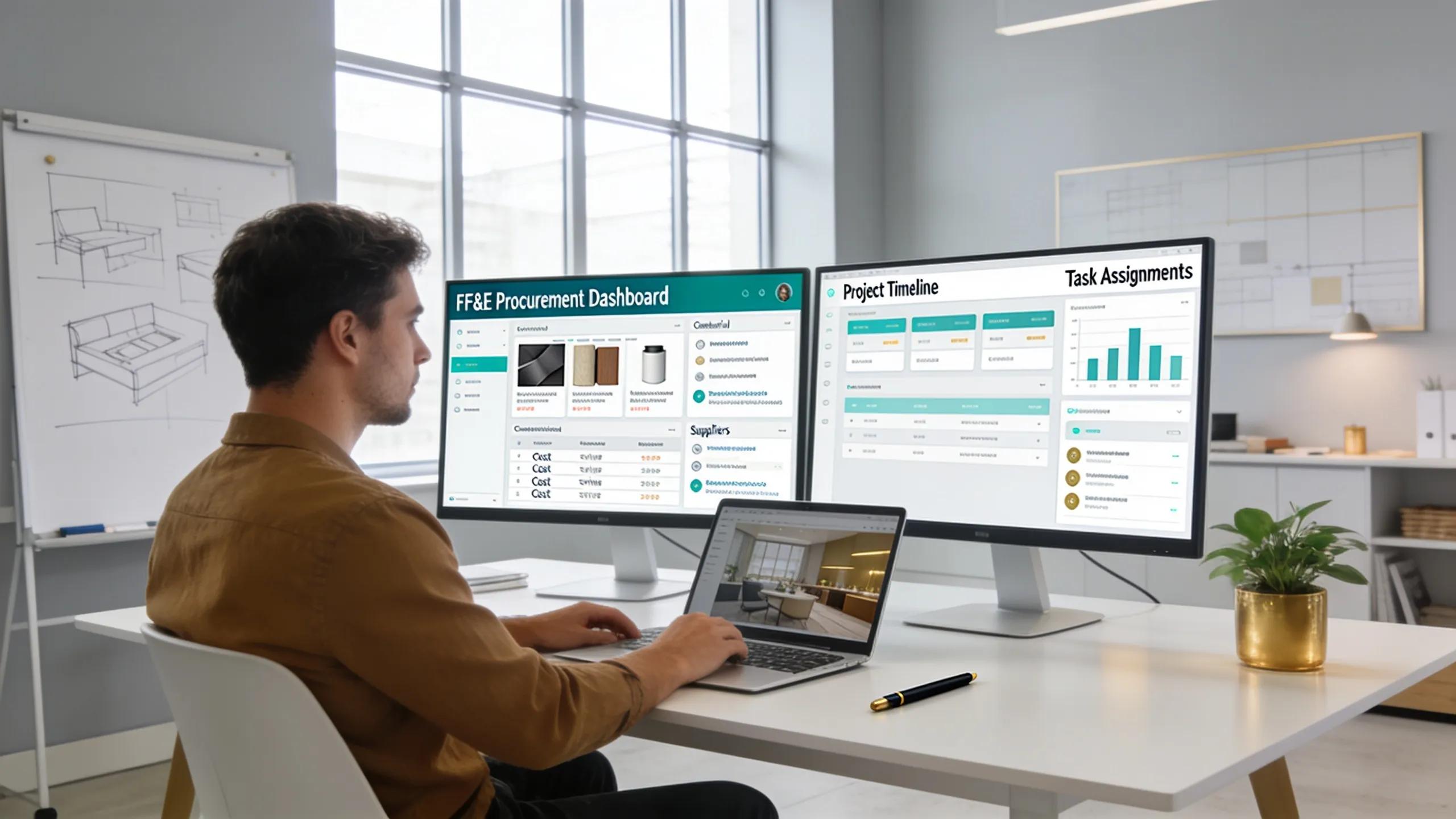
FF&E procurement software plays a crucial role in streamlining the procurement process for commercial interior designers. It centralizes specifications, enhances budget management capabilities, and facilitates vendor management. With these tools, designers can track orders, manage delivery schedules, and ensure that all components align with the overall design vision, minimizing delays and discrepancies. It gives you live visibility into your project without waiting for email updates or weekly reports.
What Special Considerations Apply When Choosing Hospitality Design Firms for Business Interiors?
When selecting hospitality design firms, certain unique considerations must be kept in mind. The hospitality sector often demands a distinct approach to design, focusing on guest experience while maintaining operational efficiency.
What Makes Hospitality Interior Design Unique Compared to Other Commercial Spaces?
Hospitality interior design uniquely integrates guest experience and functionality. Designers must consider how aesthetics impact guest perceptions while also addressing practical concerns such as maintenance and durability. Creating inviting environments that encourage guests to linger is a critical focus, contrasting with corporate designs, which prioritize workspace functionality.
How to Select Hospitality Interior Designers With Proven Expertise?
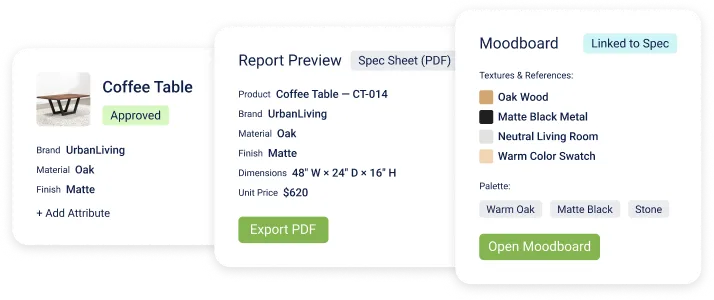
To choose proficient hospitality interior designers, consider their portfolios, qualifications, and client feedback. A robust portfolio showcasing diverse projects will highlight a designer's range and adaptability. Additionally, checking for certifications and client testimonials can provide insight into their experience and reliability, ensuring a well-rounded selection process.
Which Corporate Interior Design Trends and Space Planning Strategies Should Businesses Consider?
Staying updated on corporate interior design trends and effective space planning strategies is crucial for businesses aiming to create impactful work environments. Understanding current trends can not only reflect a brand's identity but also enhance employee satisfaction and engagement.
What Are Current Commercial Space Planning Best Practices in 2023-2026?
Best practices in commercial space planning include efficient use of space, flexibility in design, and creating multipurpose areas. Trends such as open workspaces, collaborative environments, and areas for relaxation contribute to a more functional layout, fostering teamwork and innovation among employees.
How Can Businesses Align Interior Design With Brand and Operational Goals?
Aligning interior design with brand and operational goals requires clear communication of objectives. Redefining the workplace environment to reflect brand values while integrating design with operational functionality enriches the overall experience for both employees and customers. Companies should focus on key aspects such as visual identity, ease of navigation, and accessibility to achieve this alignment.