FF&E and OS&E Budgeting: A Complete Financial Planning Guide for Design Projects
FF&E
OS&EBudgeting
Budgeting for design projects involves a comprehensive understanding of various components, particularly FF&E (Furniture, Fixtures, and Equipment) and OS&E (Operating Supplies and Equipment). This guide aims to clarify these terms, their differences, and their significance in financialplanning. Readers will learn how to effectively estimate costs, implement best practices forprocurement, and manage budgets efficiently. The challenge many face is navigating the complexities of these budgets while ensuring that all necessary items are accounted for and that costs remain within limits. This article will cover the definitions of FF&E and OS&E, their cost differences, best practices for procurement, and effective budgetmanagementstrategies.
What are FF&E and OS&E in Design Project Budgeting?
FF&E and OS&E are critical components of budgeting in designprojects. FF&E refers to the tangible items that furnish and equip a space, such as furniture, fixtures, and equipment. These items are essential for the functionality and aesthetic appeal of a project. OS&E, on the other hand, encompasses the supplies and equipment necessary for the operation of a facility, including linens, kitchenware, and other consumables. Understanding these definitions is vital for accurate budgeting and financial planning in design projects.
How Do FF&E and OS&E Differ in Cost and Usage?
The cost and usage of FF&E and OS&E differ significantly, impacting how budgets are allocated. FF&E items typically represent a larger upfront investment due to their durability and long-term use. In contrast, OS&E items are often less expensive but require regular replenishment, leading to ongoing operational costs. For example, while a high-quality sofa may cost several thousand dollars, a set of kitchen utensils may only cost a few hundred. Recognizing these differences helps project managers allocate funds appropriately and anticipate future expenses.
Which Items Are Included in FF&E and OS&E Budgets?
When creating FF&E and OS&E budgets, it is essential to identify the specific items included in each category. FF&E items typically include:
Furniture: Chairs, tables, desks, and sofas.
Fixtures: Lighting, cabinetry, and built-in elements.
Equipment: Appliances, computers, and audiovisual systems.
OS&E items generally consist of:
Operating Supplies: Linens, towels, and kitchenware.
Consumables: Cleaning supplies and toiletries.
Small Equipment: Utensils, cookware, and office supplies.
Understanding the significance of these items ensures that all necessary components are accounted for in the budget.
How to Estimate FF&E and OS&E Costs Effectively?
Estimating costs for FF&E and OS&E requires a systematic approach. Key steps include:
Researching Market Prices: Gather data on current prices for items in both categories.
Consulting with Vendors: Engage with suppliers to obtain quotes and understand bulk pricing options.
Utilizing Cost Estimation Tools: Leverage software and templates designed for budgeting to streamline the process.
Common pitfalls include underestimating costs or failing to account for shipping and installation fees. By following these steps, project managers can create more accurate budgets that reflect true expenses.
What Are Best Practices for FF&E Procurement Planning?
Effective procurement planning for FF&E involves several best practices that can enhance budget control and project efficiency. These include:
Developing a Comprehensive Procurement Plan: Outline all necessary items, timelines, and budget allocations.
Monitoring the Budget Closely: Regularly review expenditures against the budget to identify discrepancies early.
Managing Delivery and Installation: Coordinate with vendors to ensure timely delivery and proper installation of items.
How to Manage Vendor Selection and Contract Terms?
Selecting the right vendors and negotiating favorable contract terms are crucial for successful procurement. Key strategies include:
Establishing Criteria for Vendor Selection: Consider factors such as reputation, reliability, and pricing.
Negotiation Tips: Aim for bulk discounts and favorable payment terms to enhance budget flexibility.
Contract Management Best Practices: Ensure contracts are clear and include provisions for quality assurance and timelines.
Which Procurement Workflows Optimize Budget Control?
Implementing effective procurement workflows can significantly enhance budget control. Consider the following:
Workflow Examples: Use a centralized procurement system to track orders and expenditures.
Benefits of Optimized Workflows: Streamlined processes reduce errors and improve communication among stakeholders.
Tools to Assist in Workflows: Utilize project management software to facilitate collaboration and tracking.
How to Manage and Track FF&E and OS&E Budgets Efficiently?
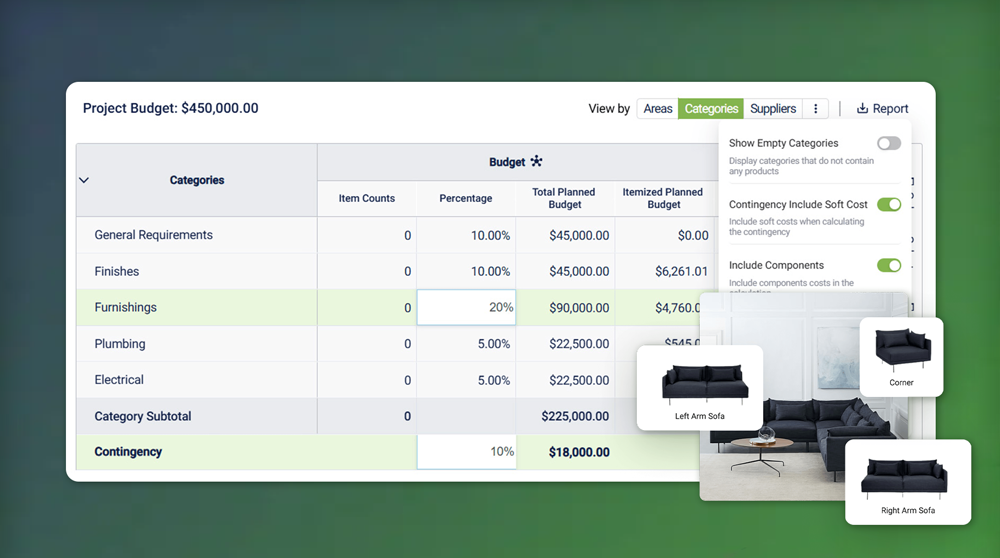
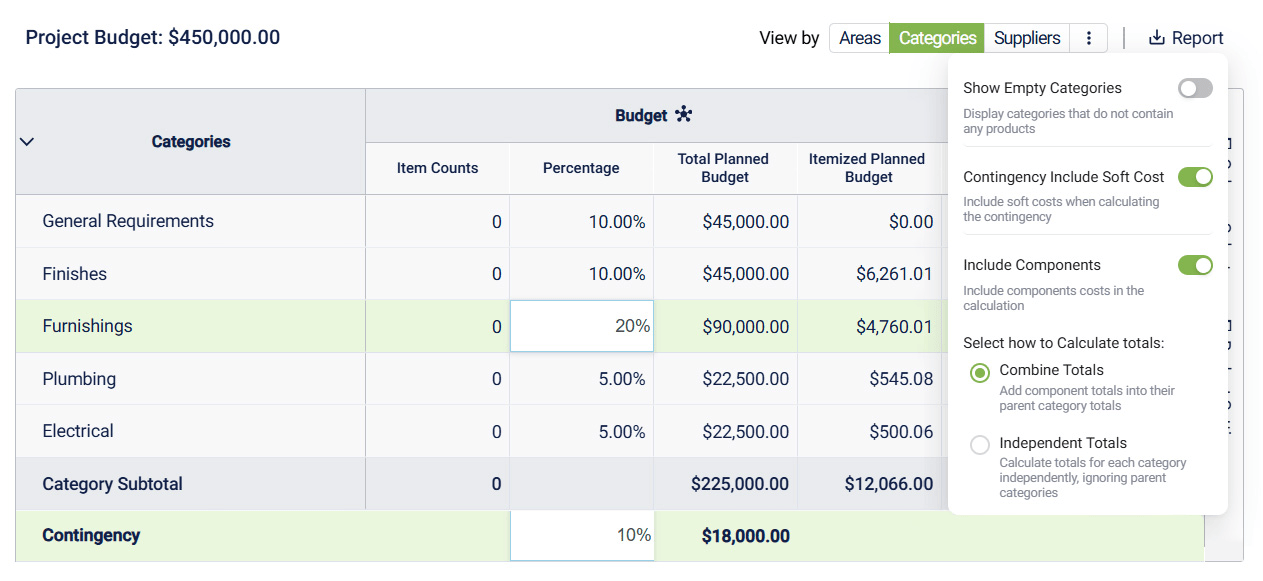
Managing and tracking FF&E and OS&E budgets efficiently requires a structured approach. Establishing a clear budget is the first step, followed by categorizing expenses to ensure all items are accounted for. Regularly updating budget records helps maintain financial oversight and allows for timely adjustments.
What Software Tools Support FF&E and OS&E Budget Tracking?
Several software tools can assist in tracking FF&E and OS&E budgets effectively. Key features to look for include:
Budget Tracking Features: Real-time updates on expenditures and budget status.
Reporting Capabilities: Generate reports to analyze spending patterns and identify areas for improvement.
User-Friendly Interface: Ensure the software is easy to navigate for all team members.
How to Use Budget Templates for Hotel FF&E Projects?
Using budget templates can streamline the budgeting process for hotel FF&E projects. Steps to create an effective template include:
Creating a Budget Template: Design a template that includes all necessary categories and line items.
Incorporating Brand Standards: Ensure the template aligns with the hotel's brand requirements and quality standards.
Monitoring Expenses: Regularly update the template with actual expenditures to maintain accurate financial oversight.
Different cost estimation methods can be compared to determine the most effective approach for budgeting FF&E and OS&E items.
Estimation Method
Description
Pros
Cons
Historical Data
Uses past project costs as a reference
Accurate for similar projects
May not account for market changes
Vendor Quotes
Obtains quotes from suppliers
Reflects current market prices
Time-consuming to gather
Software Tools
Utilizes budgeting software
Streamlines the process
Requires training and setup
To further enhance your financial planning for design projects, consider booking a demo to explore tailored solutions.