FF&E Budgeting: How to Estimate Costs and Avoid Overruns
FF&E
Cost ManagementBudgeting
Estimating costs accurately in Furniture, Fixtures, and Equipment (FF&E) budgeting is crucial for any project, as it directly impacts financial planning and project success. This article will explore effective strategies to estimate costs and avoid overruns, ensuring that your budgeting process is both efficient and reliable. By understanding the nuances of FF&E budgeting, you can mitigate risks associated with unexpected expenses and ensure that your project stays within budget. We will cover essential practices such as establishing a comprehensive budget, monitoring expenses, prioritizing items, and utilizing technology for tracking. Additionally, we will delve into the key components of an FF&E cost breakdown and how to apply best practices for accurate cost estimation.
To effectively estimate costs and avoid overruns in FF&E budgeting, consider the following strategies and best practices:
Effective FF&E budgeting requires a strategic approach to ensure that all costs are accounted for and managed properly. Here are some best practices to follow:
Establish a Comprehensive Budget
A comprehensive budget is the foundation of effective FF&E budgeting. It should encompass all costs associated with purchasing, installing, and maintaining FF&E items. This includes not only the initial purchase price but also installation fees, shipping costs, and anticipated future expenses such as maintenance and repairs. By anticipating these costs, you can create a more accurate budget that reflects the true financial commitment required for your project.
Monitor Expenses Regularly
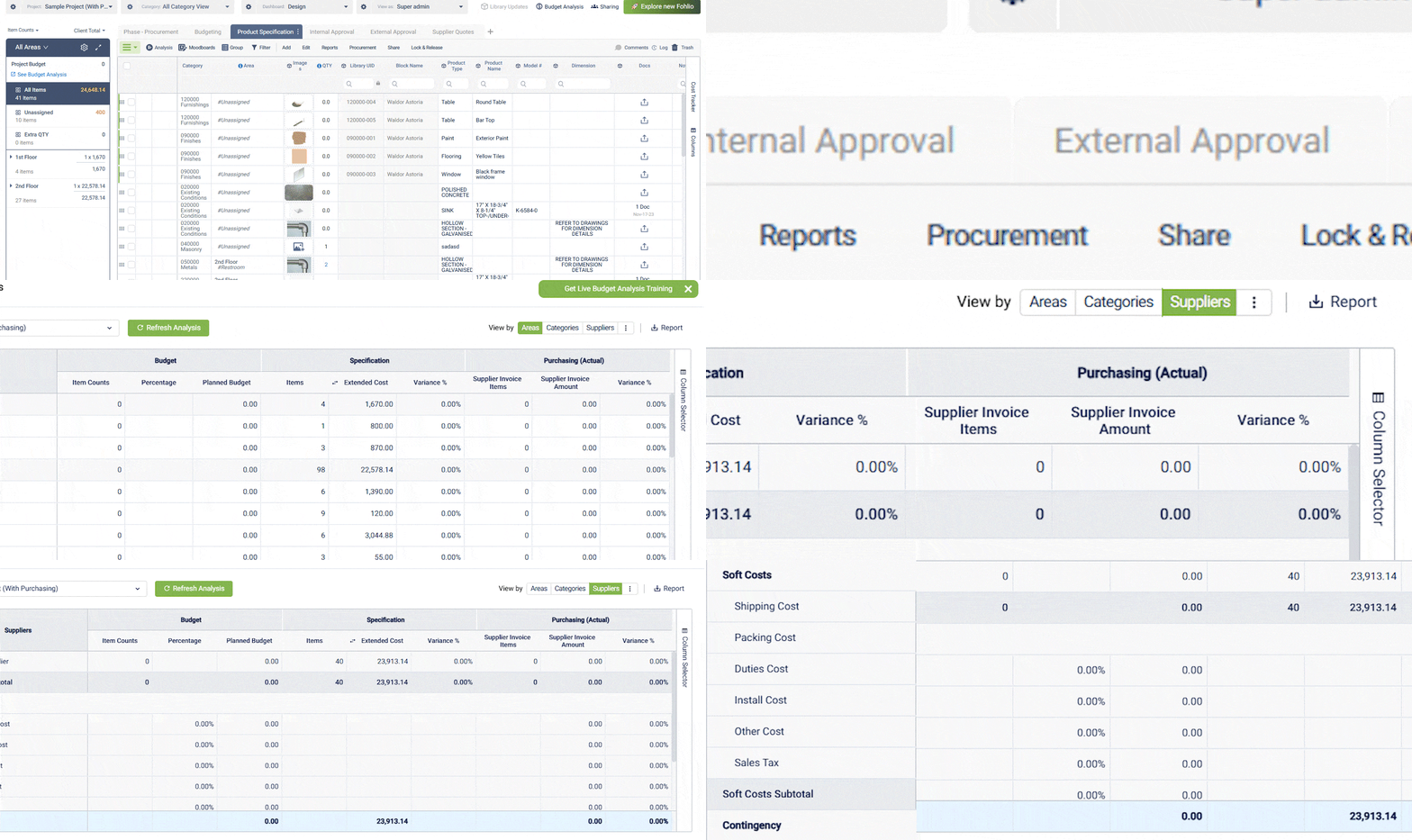
Regular monitoring of expenses is vital to maintaining control over your FF&E budget. Utilizing tools for real-time tracking can help identify discrepancies early, allowing for timely adjustments. By keeping a close eye on expenditures, you can ensure that your project remains on track and within budget, minimizing the risk of overruns. For effective FF&E budgeting, understanding these nuances is key.
Prioritize Items
Determining the priority of FF&E items is essential for effective budgeting. Focus on high-return-on-investment (ROI) areas and allocate your budget accordingly. By prioritizing essential items, you can ensure that critical components are funded first, reducing the likelihood of budget overruns due to unexpected costs in less critical areas.
What Are the Key Components of an FF&E Cost Breakdown?
Understanding the key components of an FF&E cost breakdown is essential for accurate budgeting. This breakdown typically includes various cost categories that impact the overall budget.
Which Furniture, Fixtures, and Equipment Categories Impact Budgeting?
Several categories significantly influence FF&E budgeting, including:
Furniture: This includes all seating, tables, and storage solutions necessary for the project.
Fixtures: Lighting, plumbing, and other built-in elements that are integral to the space.
Equipment: This encompasses any machinery or technology required for operations.
By categorizing these components, you can better understand their individual impacts on the overall budget.
How Do Cost Categories Influence FF&E Budget Allocation?
Cost categories play a crucial role in how budgets are allocated. Understanding the difference between hard costs (tangible expenses like furniture and fixtures) and soft costs (intangible expenses such as design fees) is essential. Additionally, having contingency funds in place can help manage unexpected costs that may arise during the project.
How to Apply FF&E Budgeting Best Practices for Accurate Cost Estimation?
Applying best practices in FF&E budgeting can lead to more accurate cost estimations. Key practices include:
Establish a Clear Budget: Define all expected costs upfront to avoid surprises.
Categorize Expenses: Break down costs into clear categories for better tracking.
Regularly Update Budget Records: Keep your budget current to reflect any changes in costs or project scope.
What Step-by-Step Methods Ensure Precise FF&E Cost Estimation?
To ensure precise FF&E cost estimation, follow these step-by-step methods:
Define Project Scope: Clearly outline what the project entails.
Gather Quotes: Obtain multiple quotes for all FF&E items to ensure competitive pricing.
Review and Adjust: Regularly review your estimates against actual costs and adjust as necessary.
How Can Budget Templates Improve FF&E Budget Management?
Utilizing budget templates can significantly enhance FF&E budget management. These templates provide structured organization, allowing for easy tracking of expenses and integration of brand standards. Regular updates to these templates ensure ongoing financial oversight, making it easier to manage costs effectively.
What Is the FF&E Procurement Process and How Does It Align with Budgeting?
The FF&E procurement process involves sourcing suppliers, negotiating contracts, and ensuring quality control measures are in place. This process must align closely with budgeting to ensure that all expenditures are accounted for and that the project remains financially viable. Proper procurement process is vital for staying within budget.
How Does Procurement Scheduling Affect FF&E Budget Control?
Procurement scheduling plays a critical role in budget control. Timely delivery and installation of FF&E items are essential to avoid delays and additional costs. Coordination with vendors is necessary to ensure that all items arrive as planned, minimizing the risk of budget overruns.
What Are Best Practices for Integrating Procurement and Budget Management?
Integrating procurement with budget management can streamline processes and enhance efficiency. Best practices include:
Develop a Comprehensive Procurement Plan: Outline all procurement activities and timelines.
Monitor the Budget Closely: Keep track of all expenditures against the budget.
Utilize Project Management Software: Leverage technology to manage both procurement and budgeting effectively.
Which FF&E Cost Control Strategies Help Prevent Budget Overruns?
Implementing effective cost control strategies is essential for preventing budget overruns. Key strategies include:
Establish a Clear Budget: Define all costs upfront to avoid surprises.
Categorize Expenses: Break down costs into clear categories for better tracking.
Implement Cost Control Measures: Regularly review expenses and adjust as necessary.
How Can Regular Budget Tracking and Variance Analysis Reduce Overruns?
Regular budget tracking and variance analysis are crucial for identifying patterns and discrepancies in spending. By monitoring expenses in real-time, you can quickly address any issues that arise, reducing the likelihood of budget overruns. Effective budget tracking is essential for financial health.
What Tools and Techniques Enhance FF&E Budget Monitoring?
Several tools and techniques can enhance FF&E budget monitoring, including: